
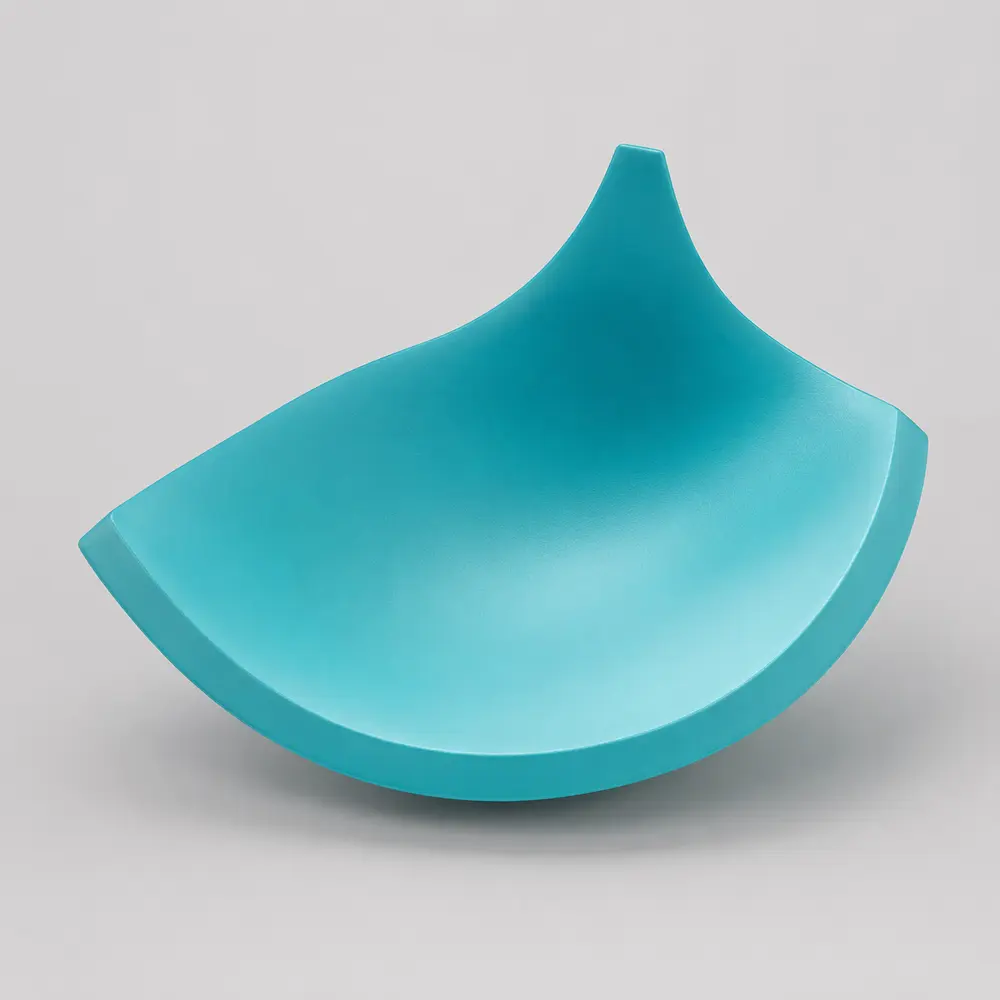
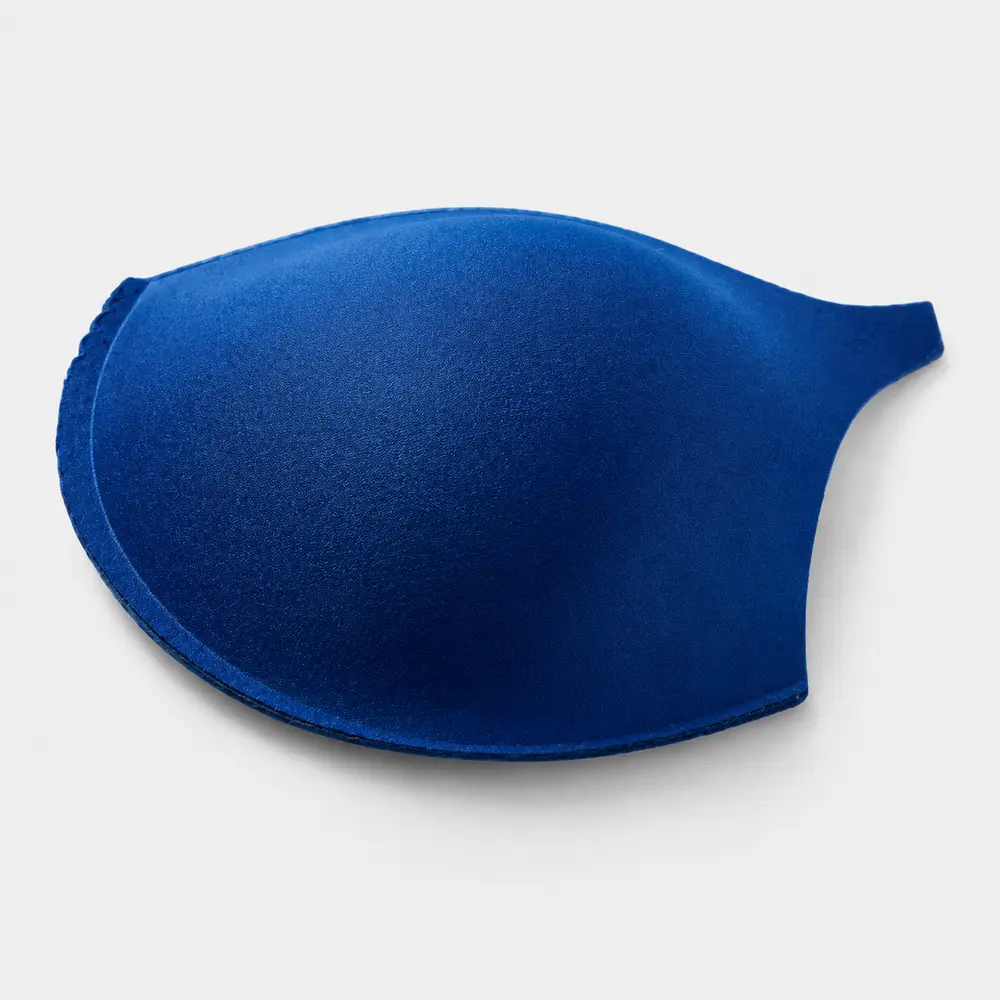
Winged Moulded Cup with Underwire Allowance
UNPADDEDUnpadded cup used for a natural shape in plus-size lingerie patterns.
DALTEKS · MANUFACTURER
Moulded bra cups for lingerie, swimwear, bikinis, bustiers and eveningwear manufacturing.
Unpadded cup used for a natural shape in plus-size lingerie patterns.
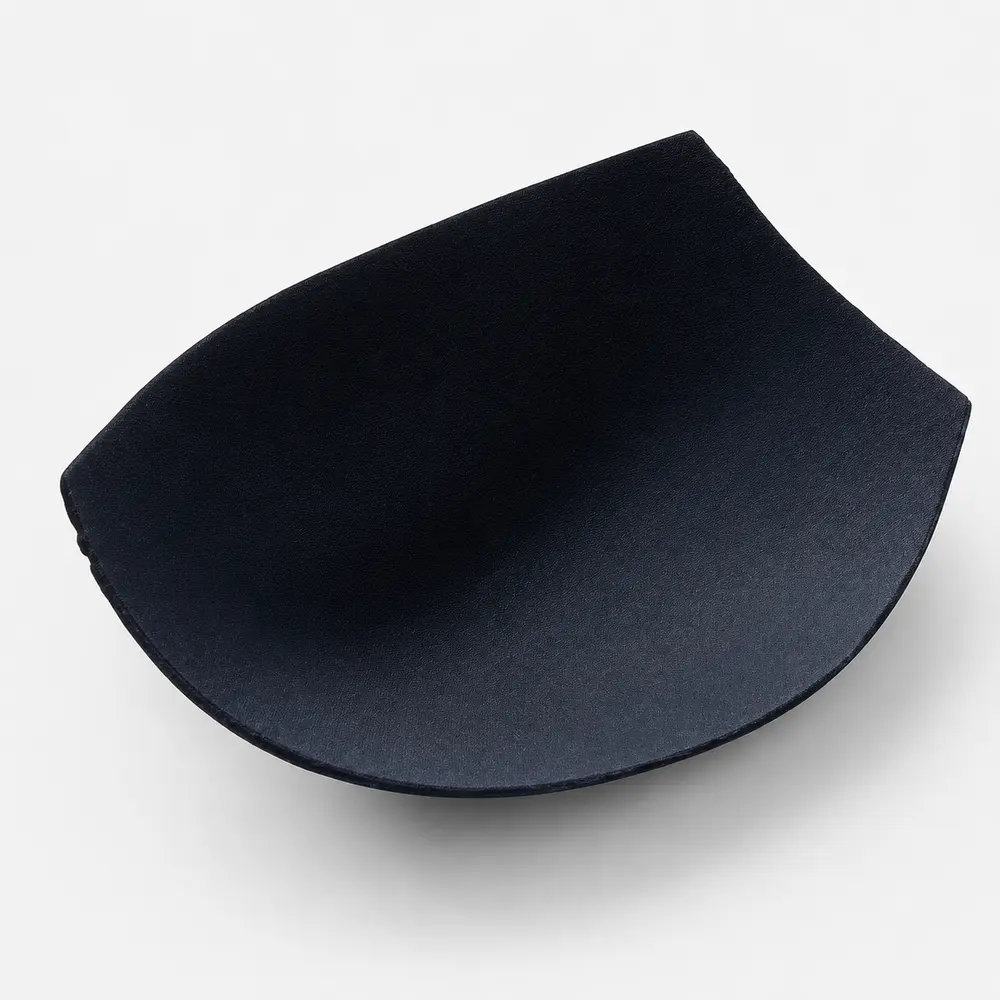
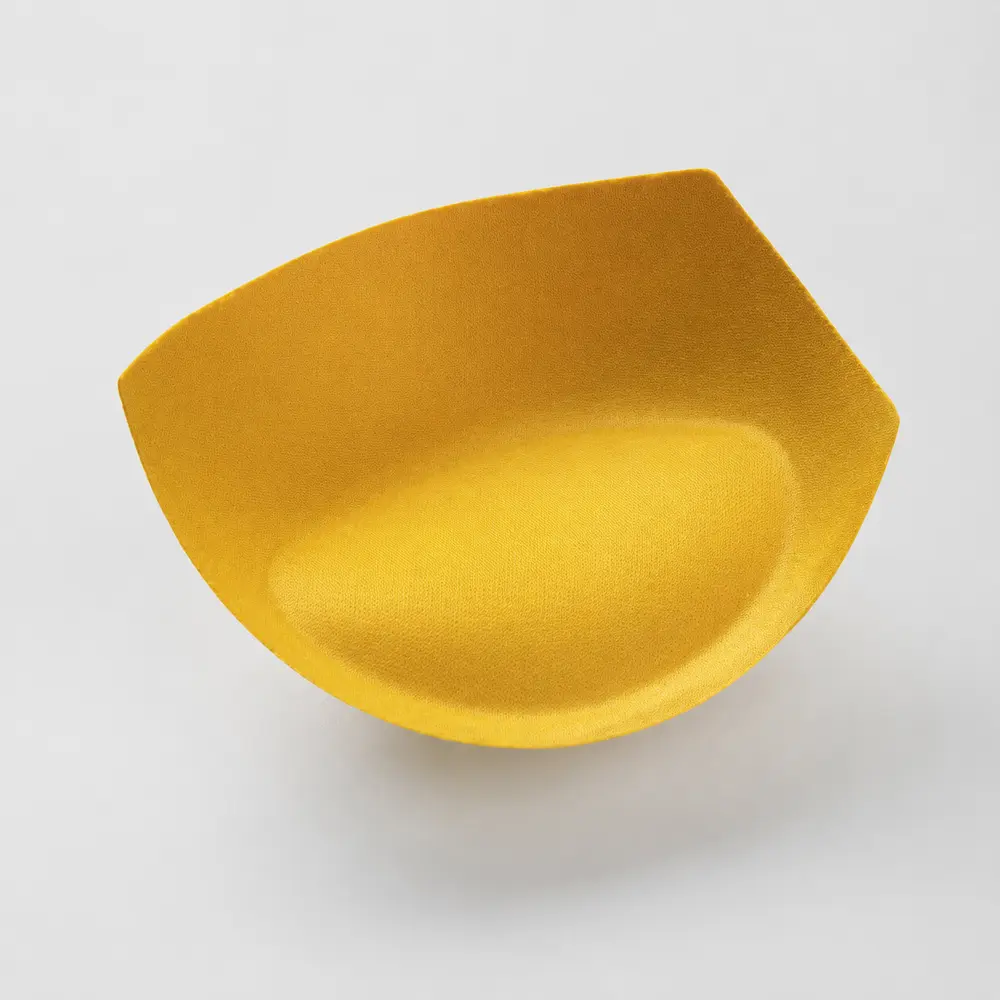
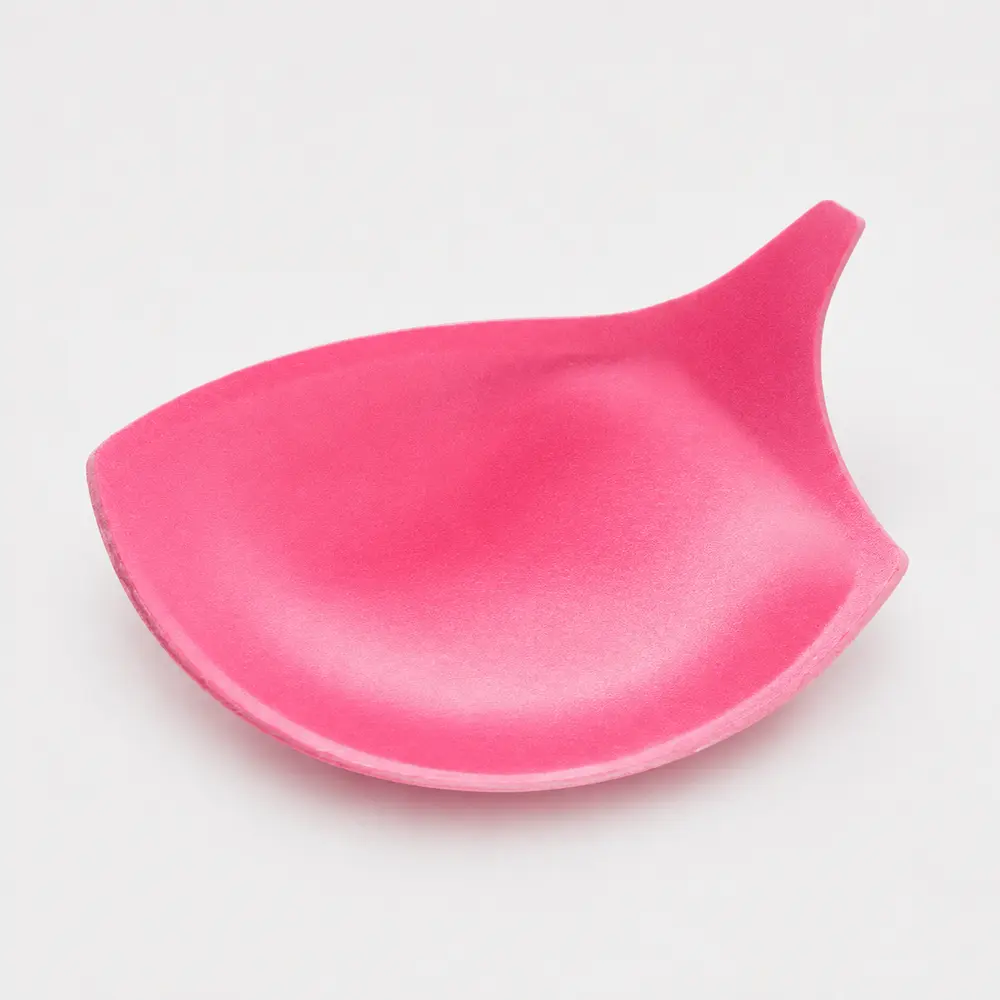
Supportive filled cup providing a firmer shape in bras and lingerie products.
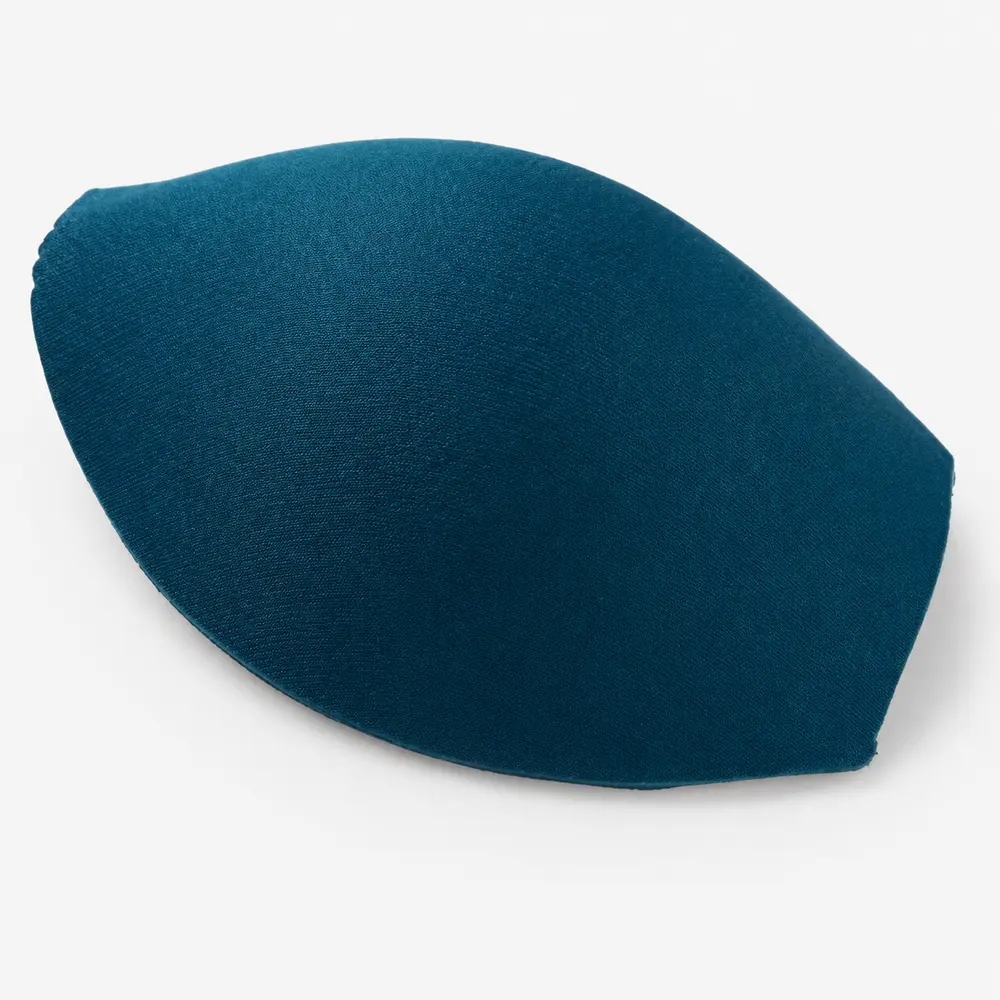
Unpadded cup designed for bralette and lightly supported styles.
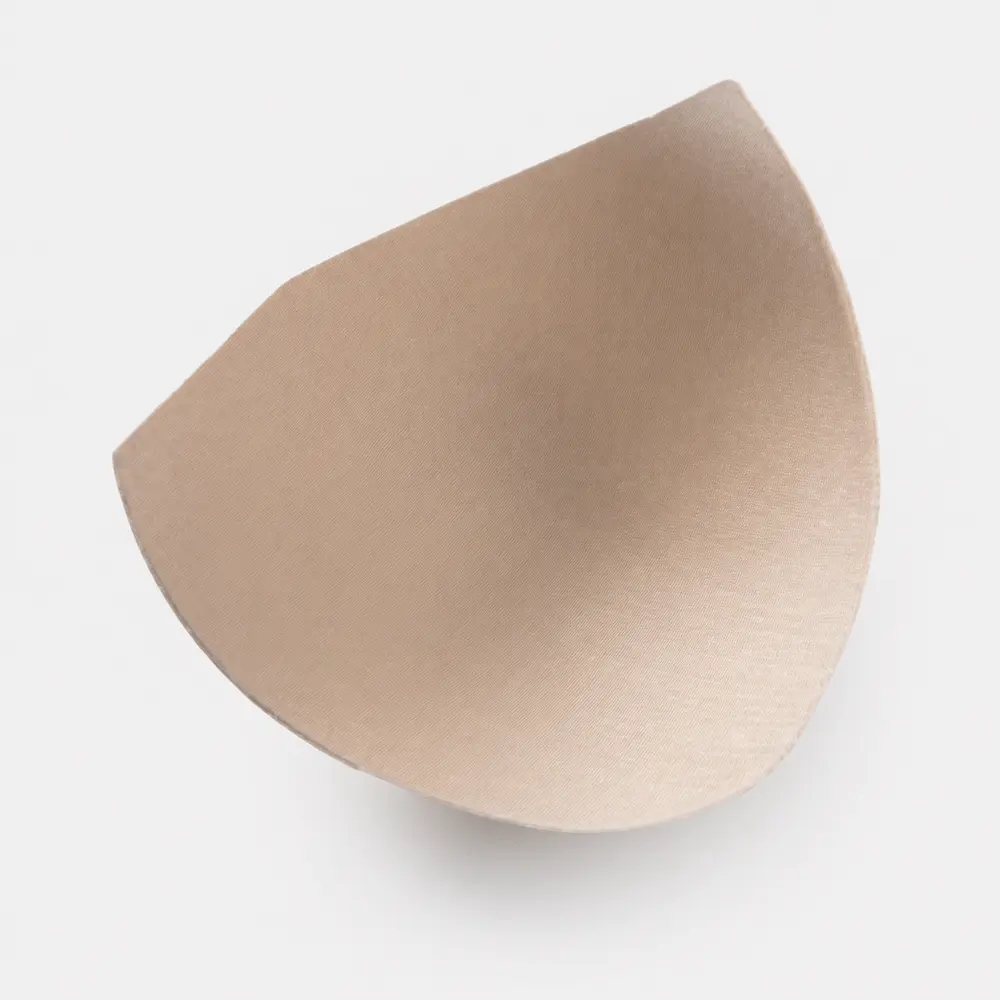
Unpadded cup suitable for bustier and structured outerwear patterns.
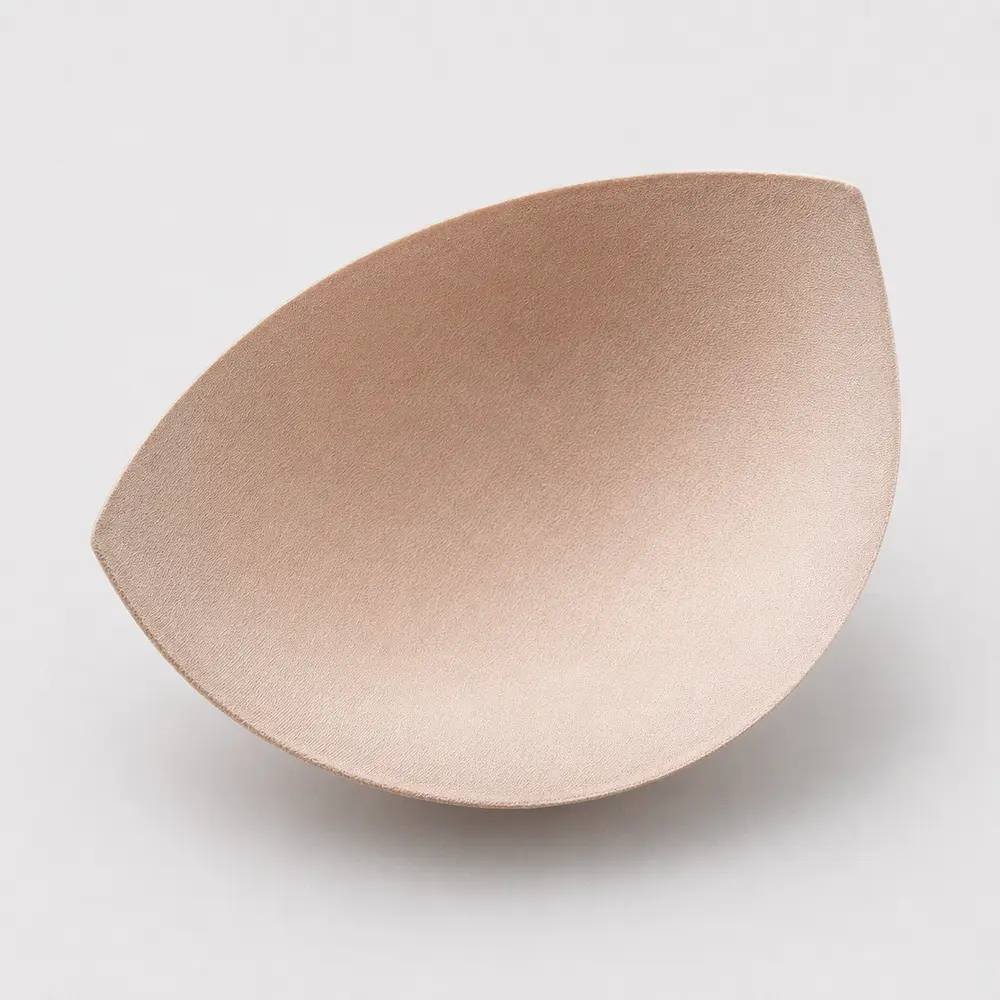
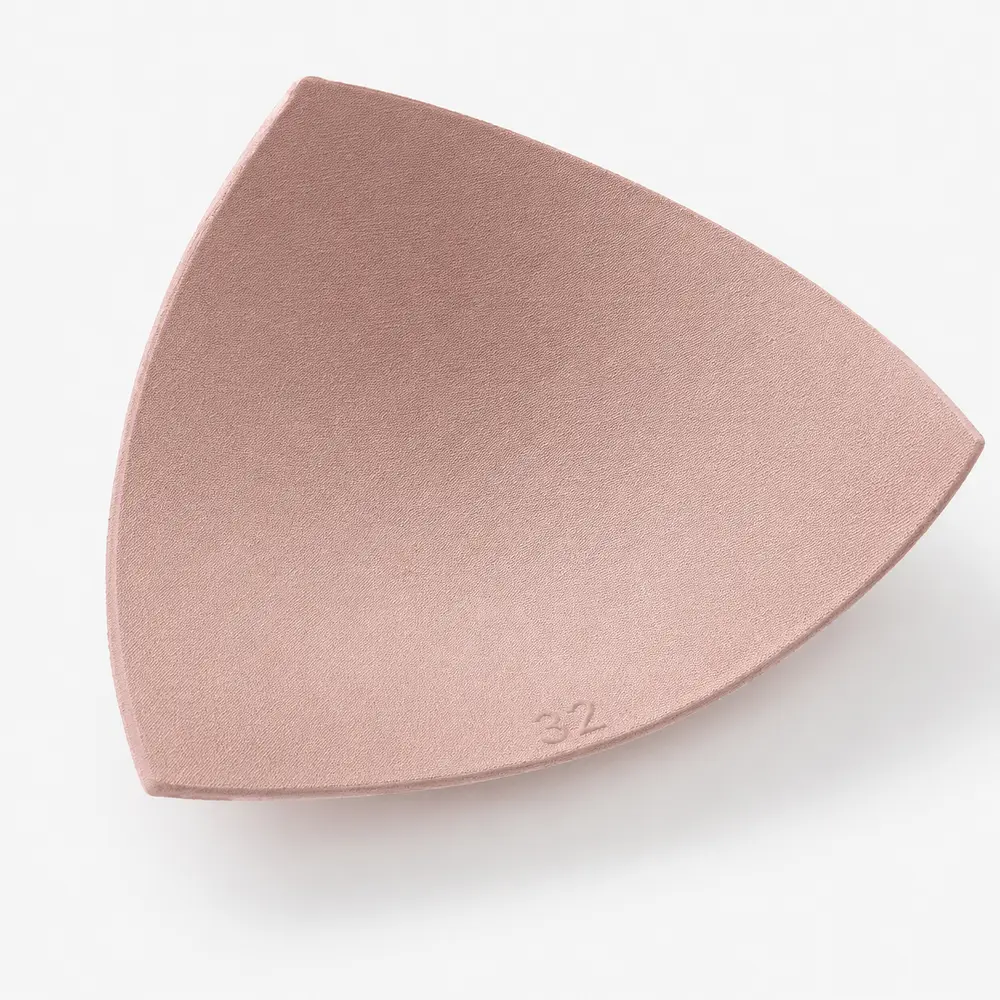
Lightweight unpadded cup for sports and youth lingerie ranges.
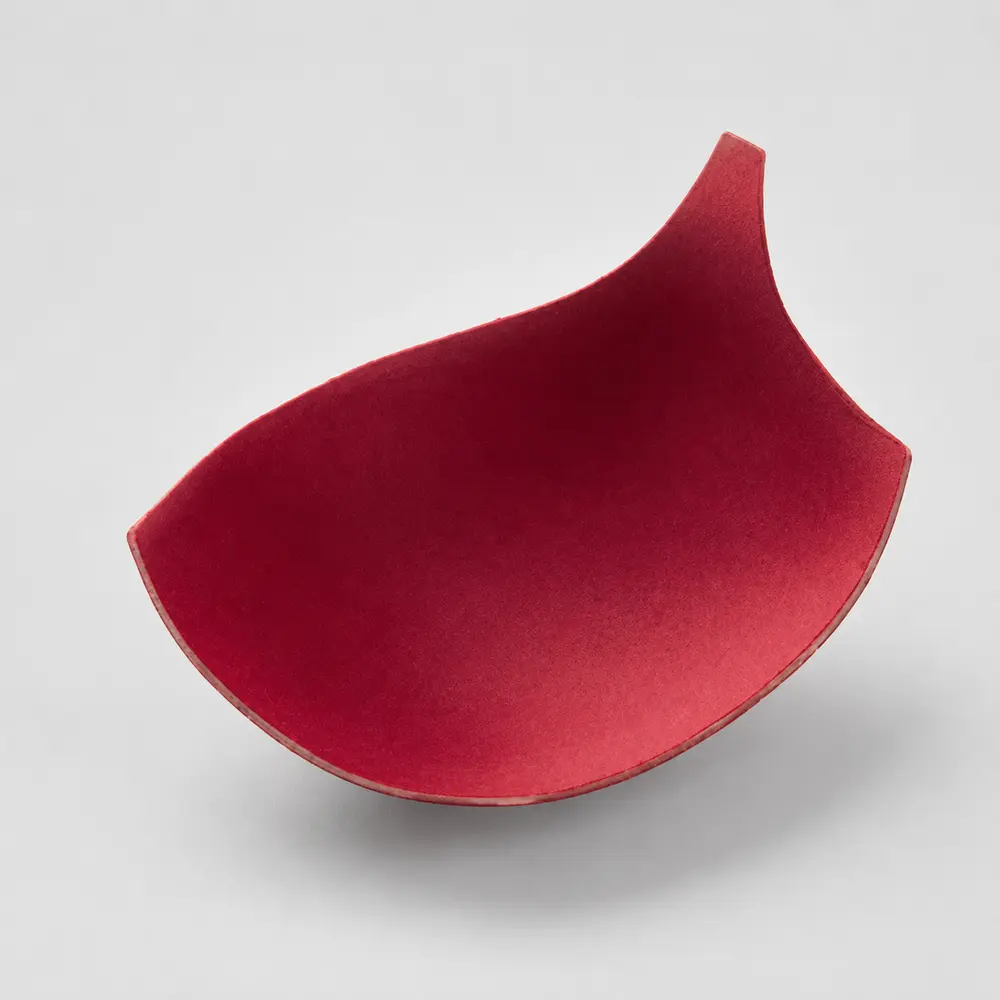
Basic unpadded cup used in bra, globe cup, and lingerie production.
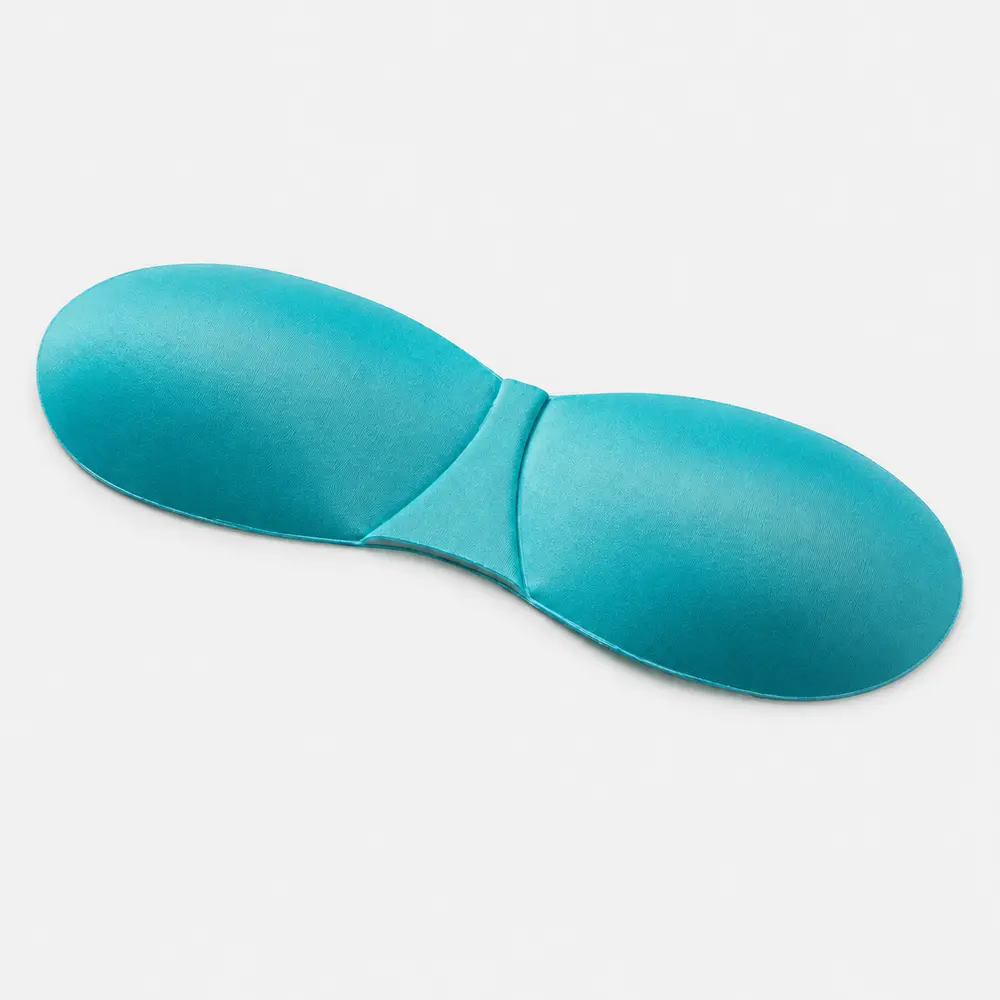
Unpadded cup with different base widths and depths for lingerie patterns.
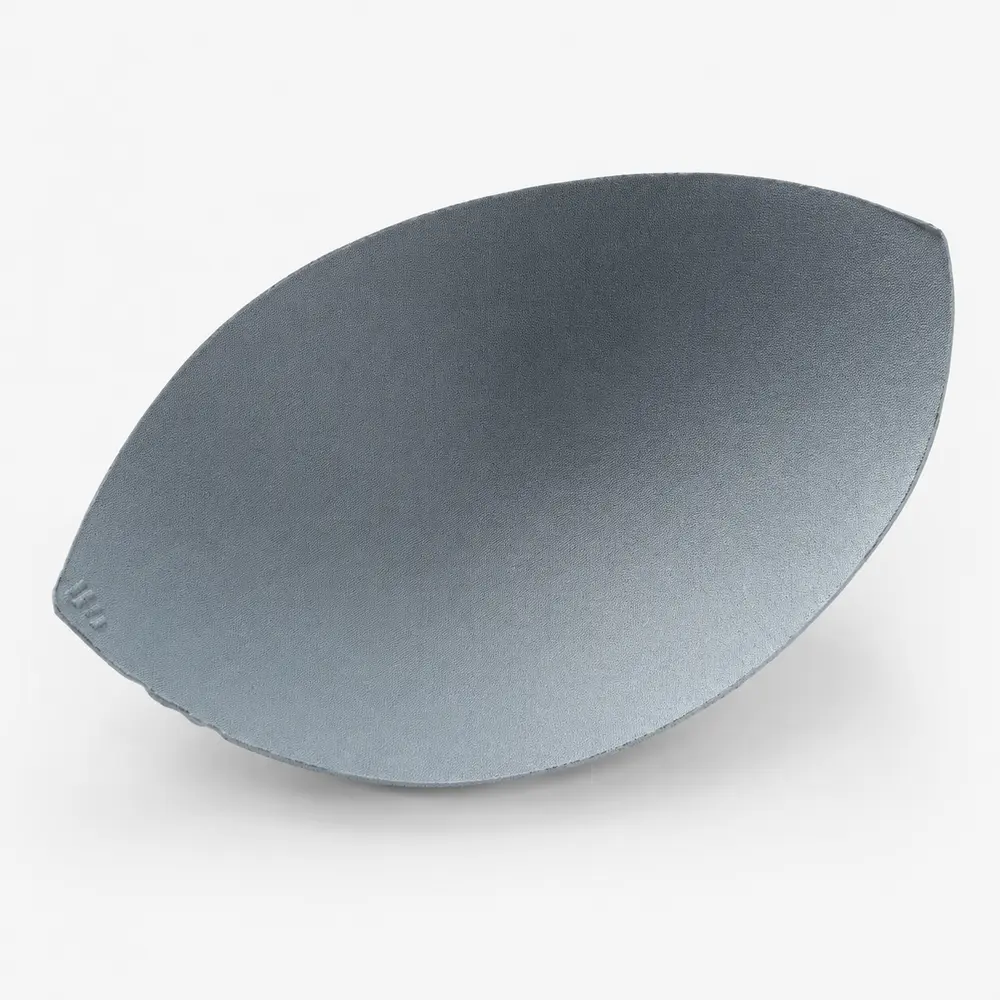
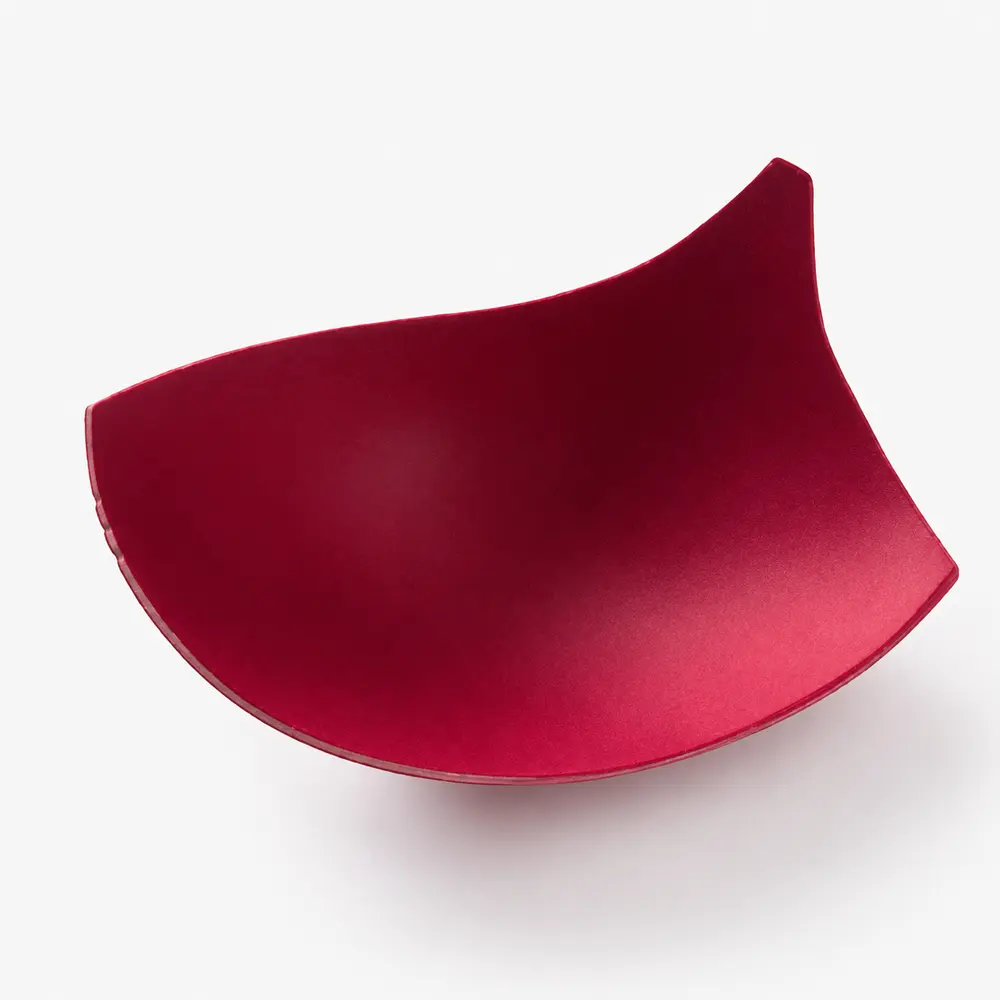
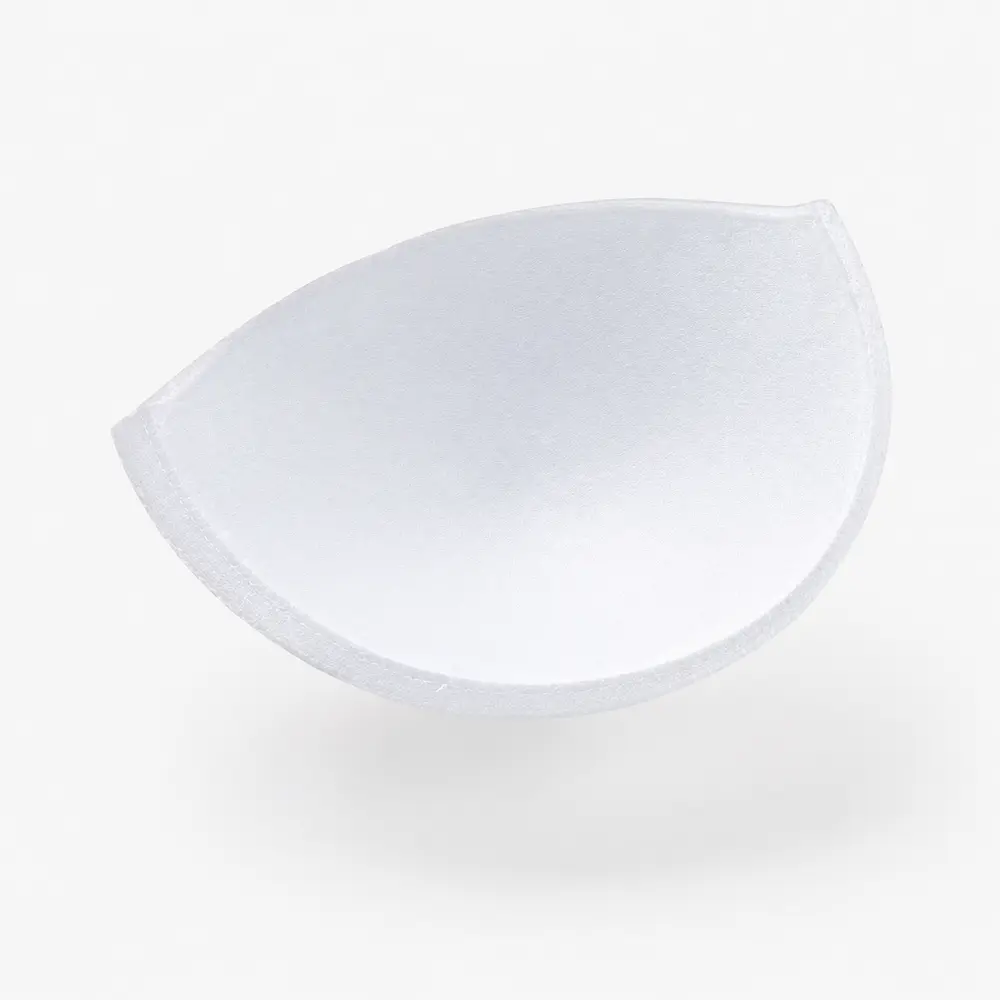
Unpadded cup providing a natural shape in bra and lingerie applications.
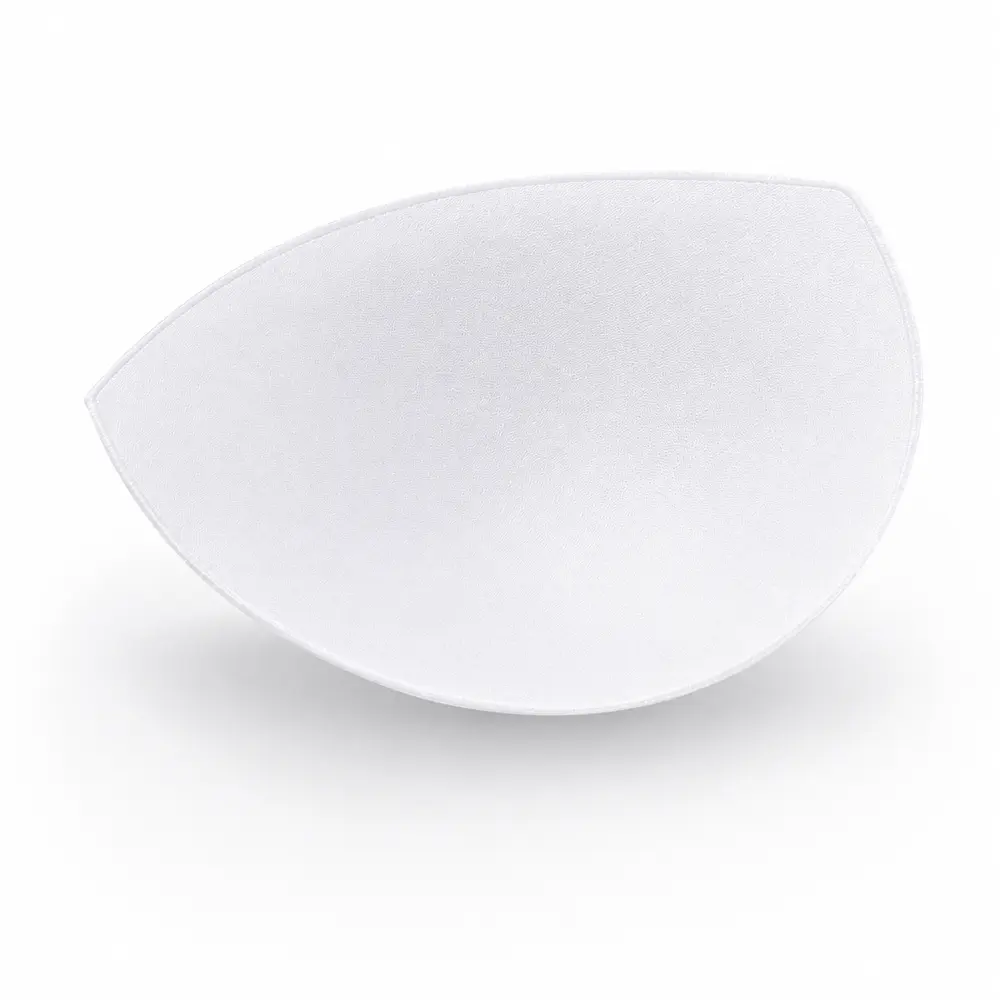
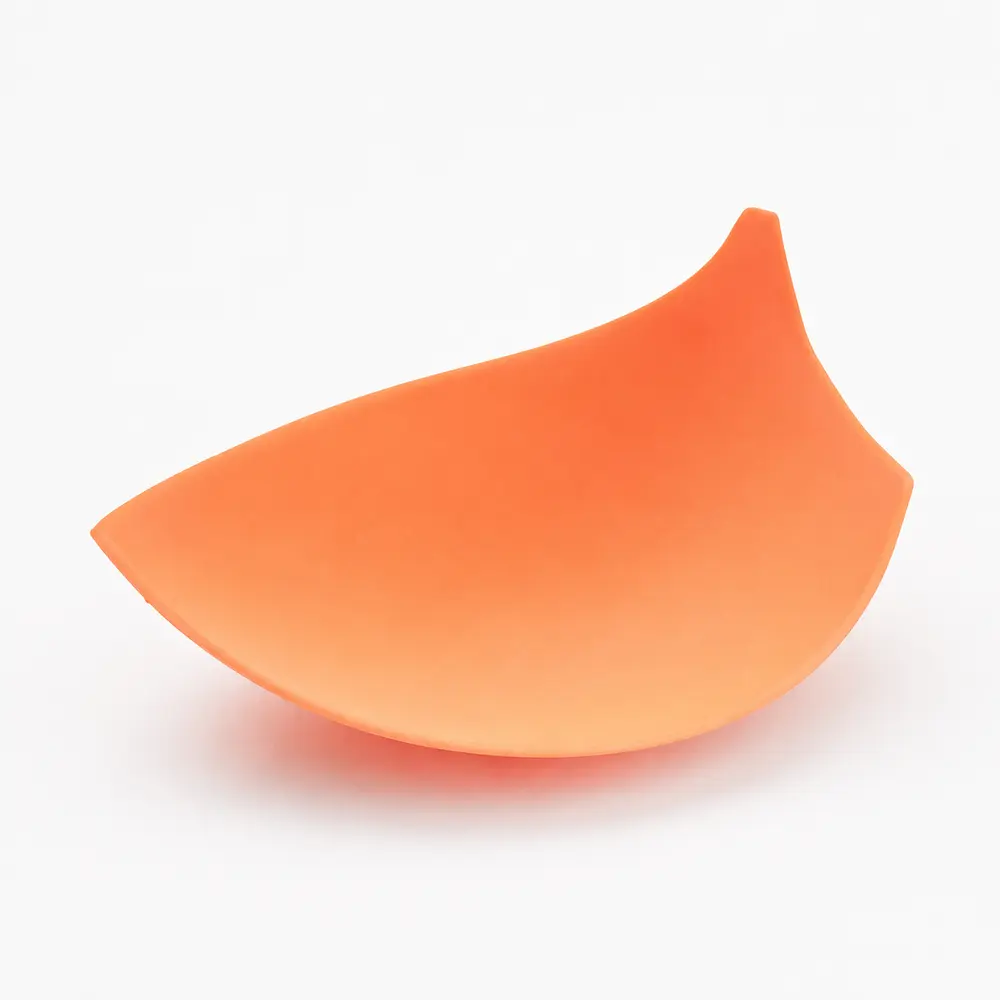
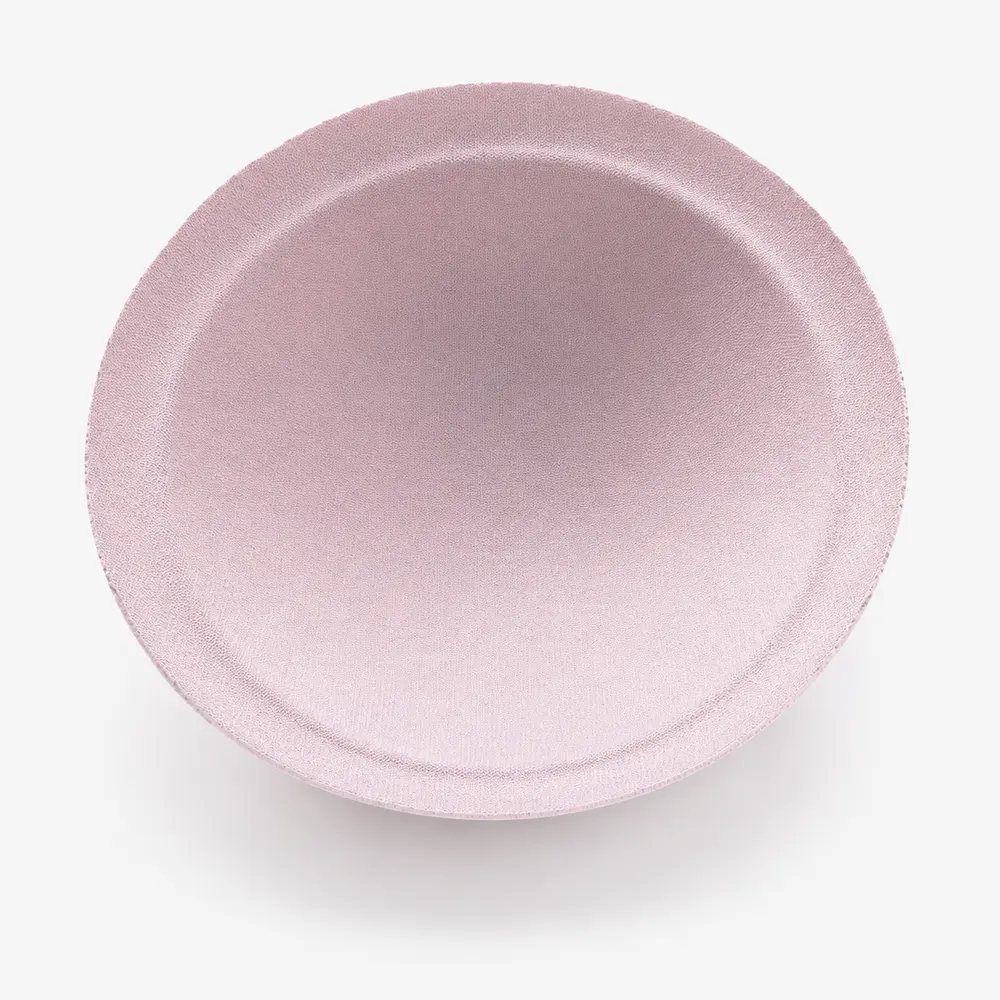
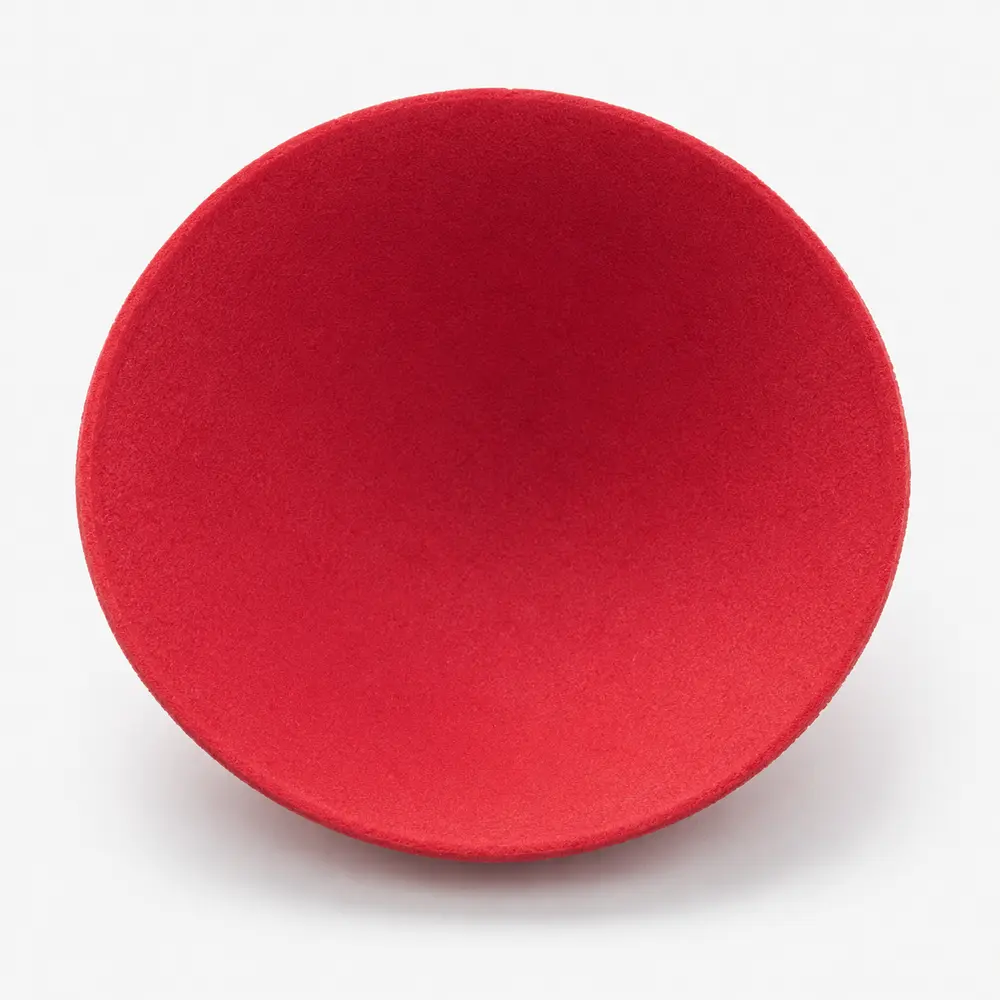
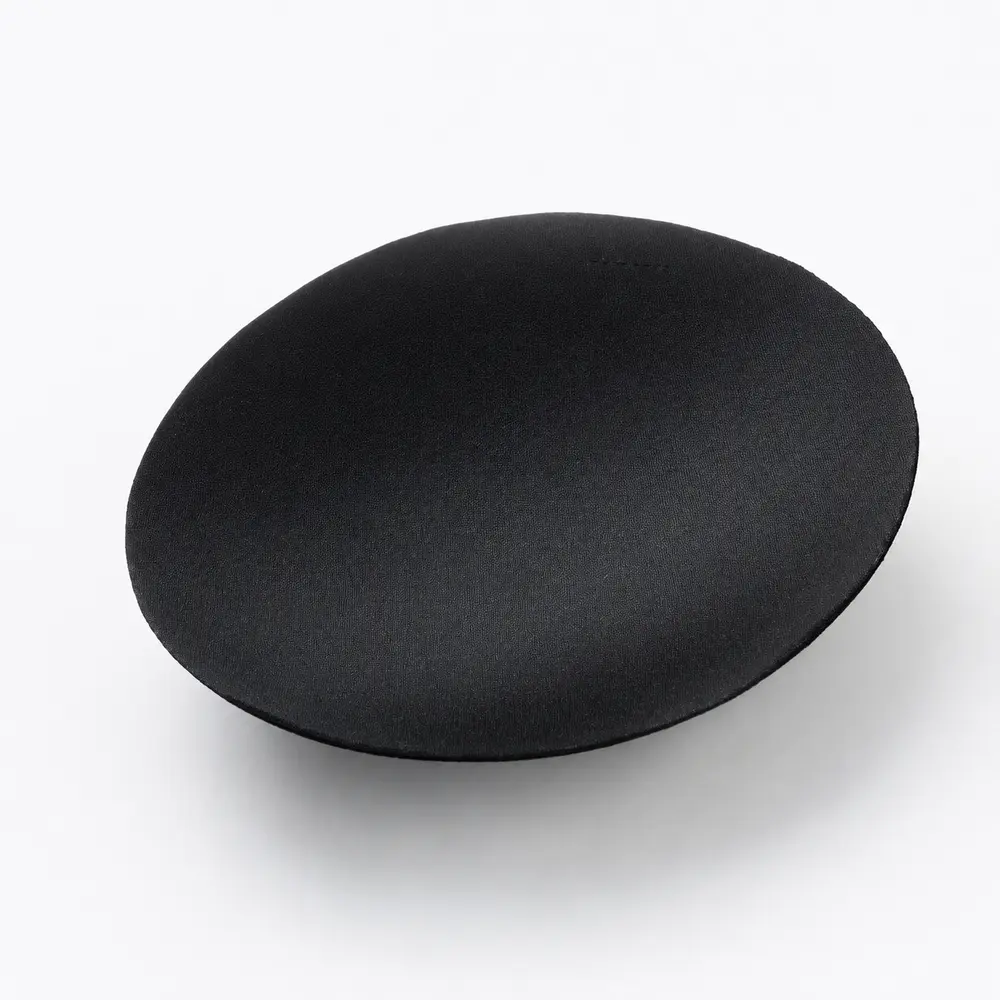
Space model cup for specially shaped bustier and lingerie patterns.
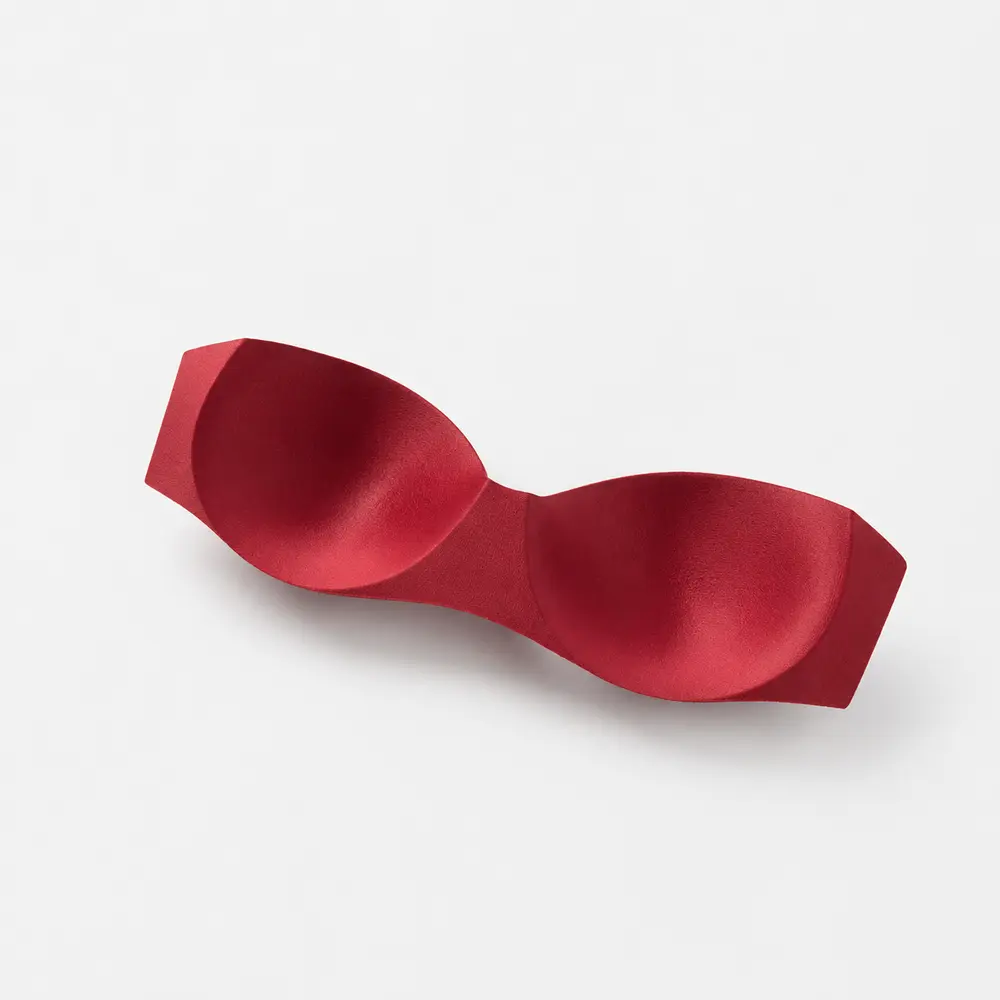
One-piece unpadded cup for patterns requiring a single-piece bust shape.
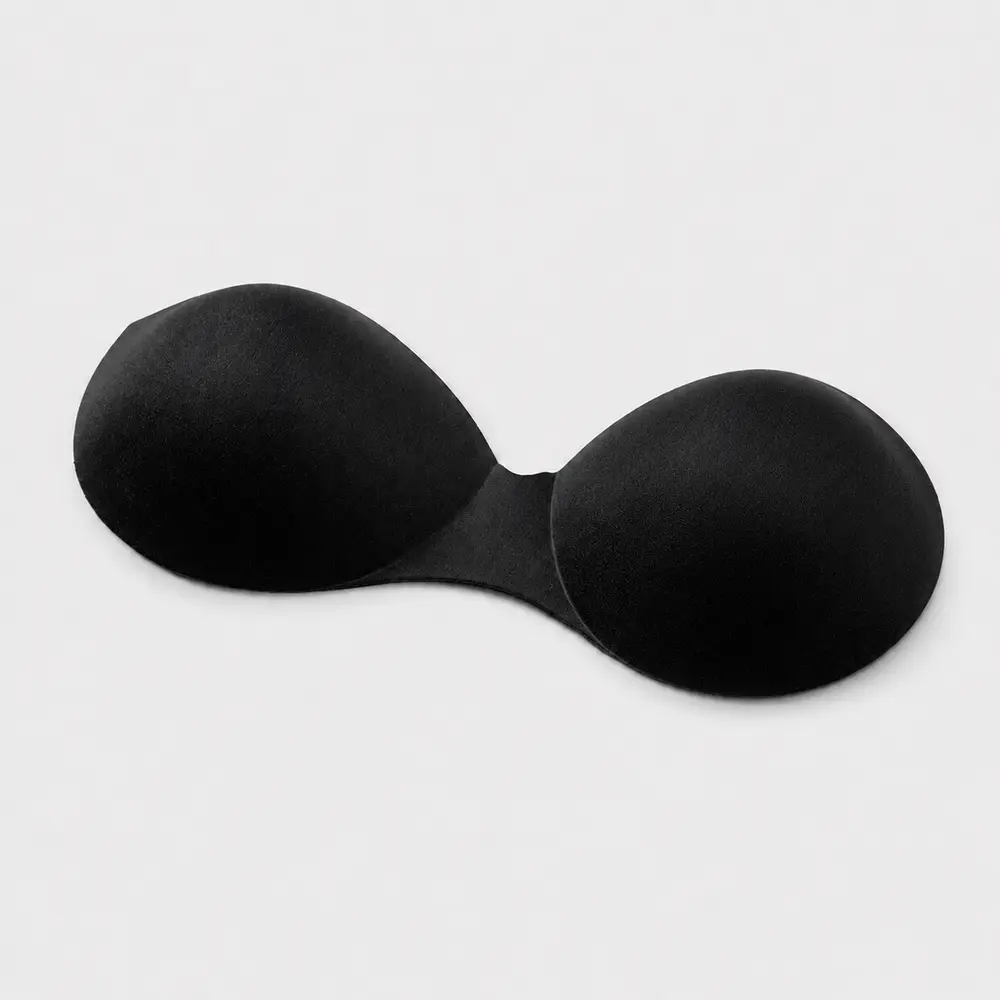
Second one-piece cup shape used in bustier and lingerie production.
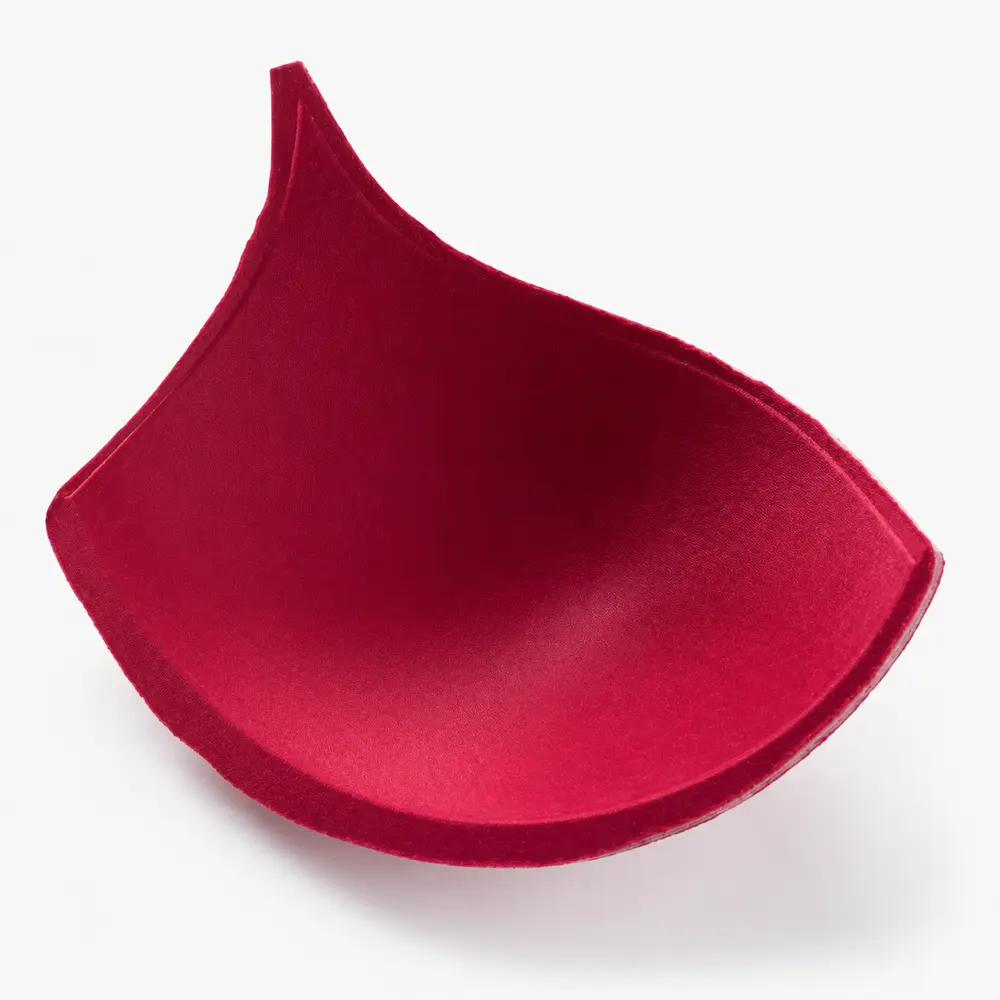
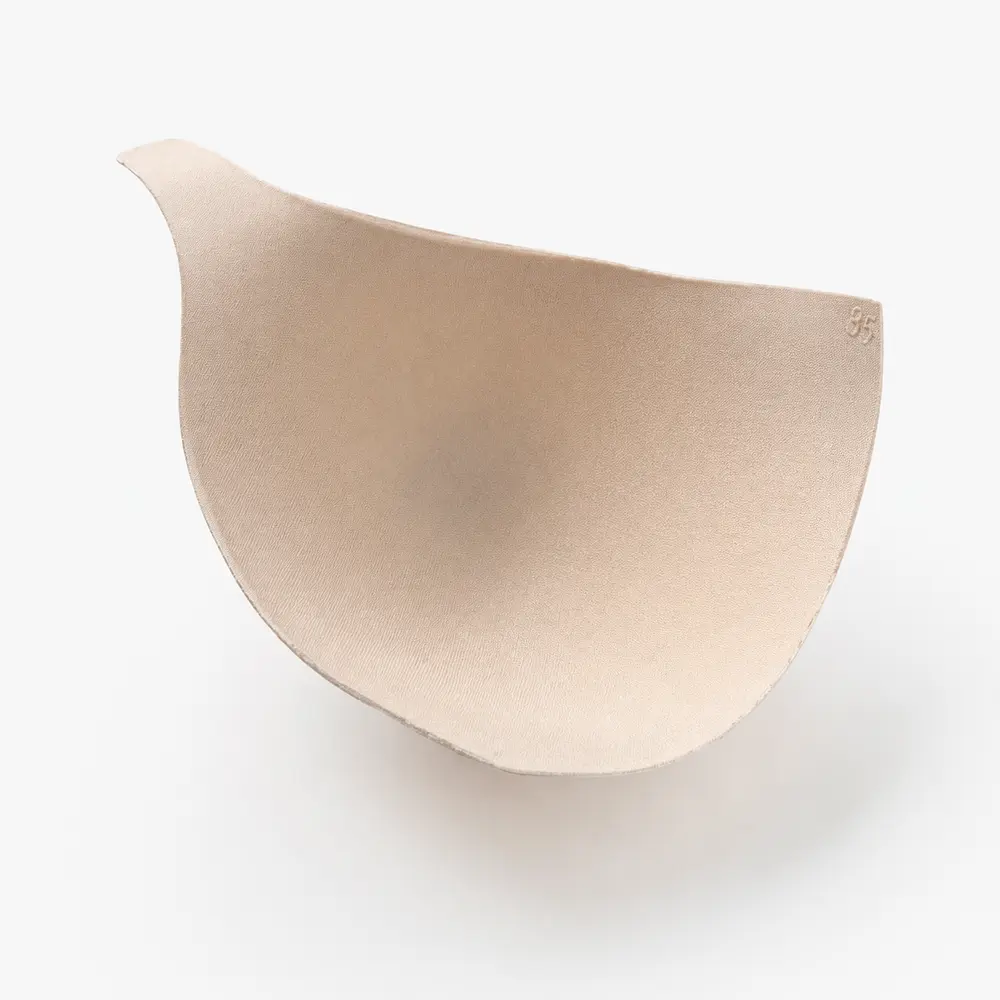
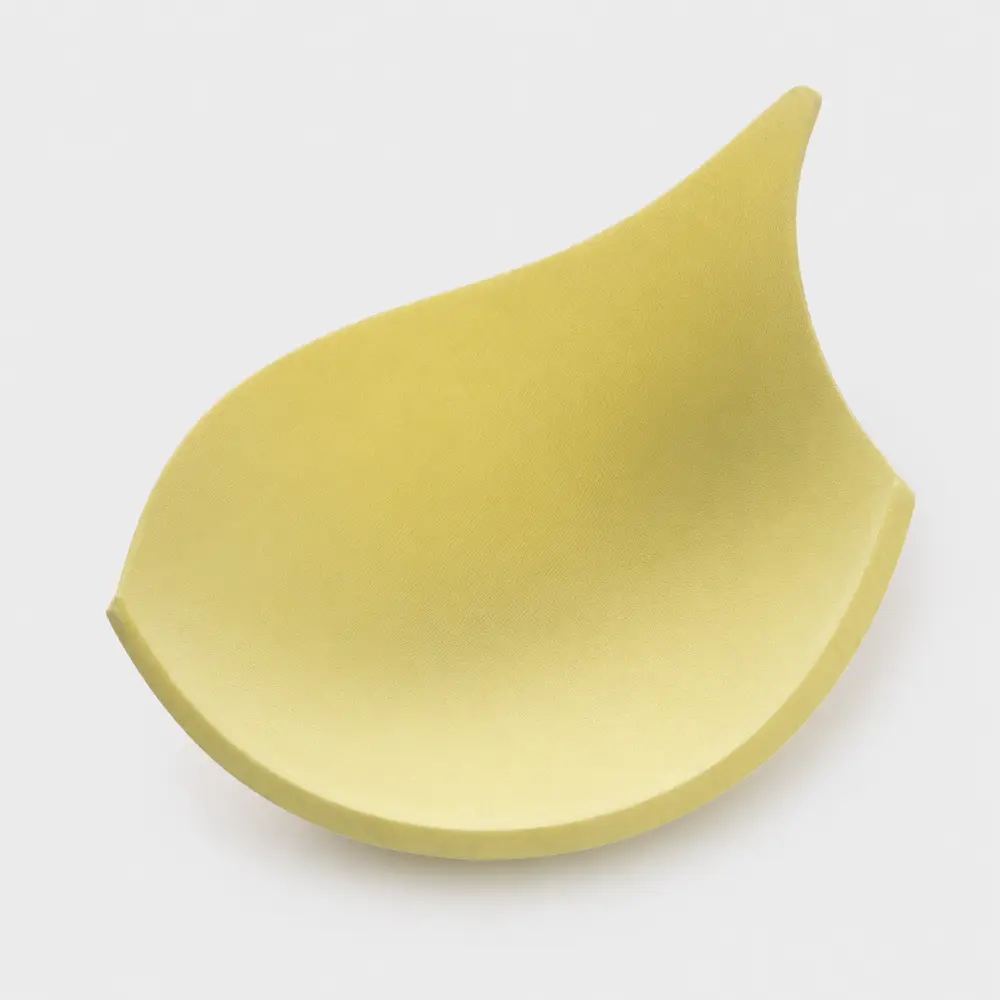
Unpadded special-cut model evaluated according to the sample pattern.
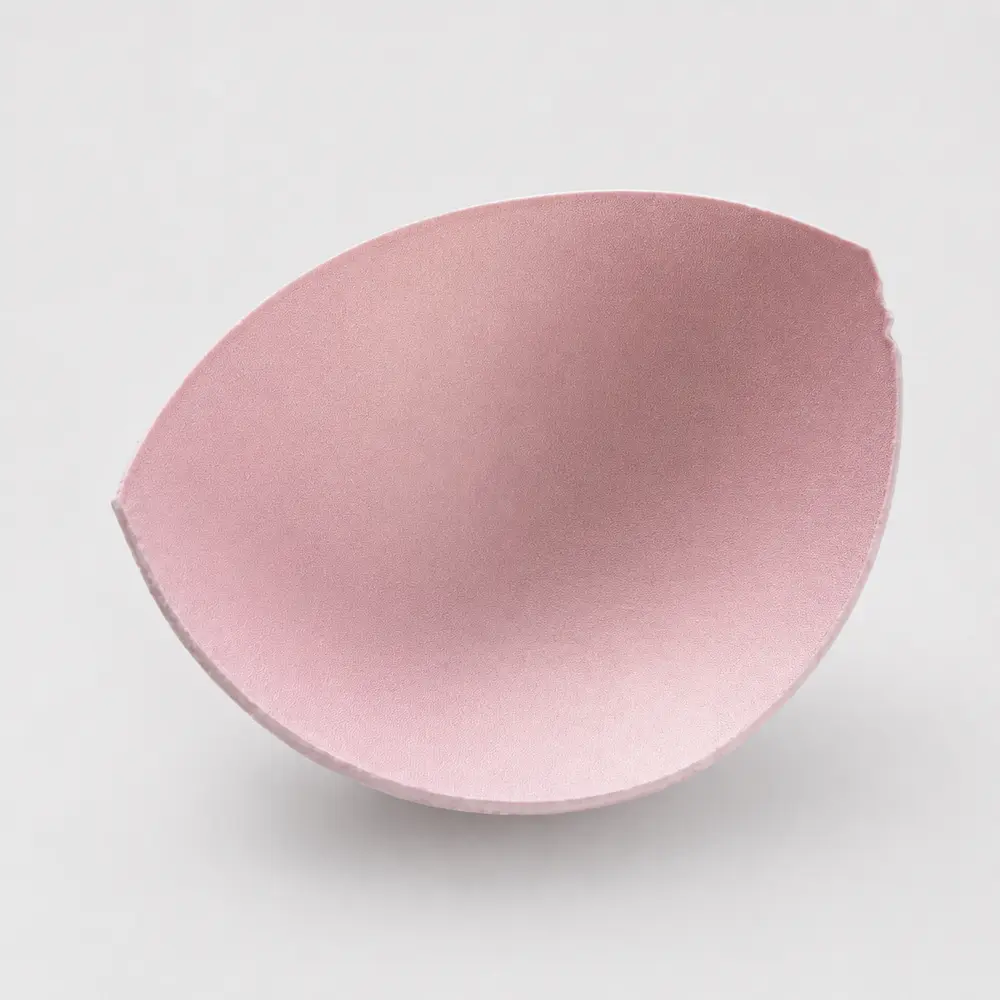
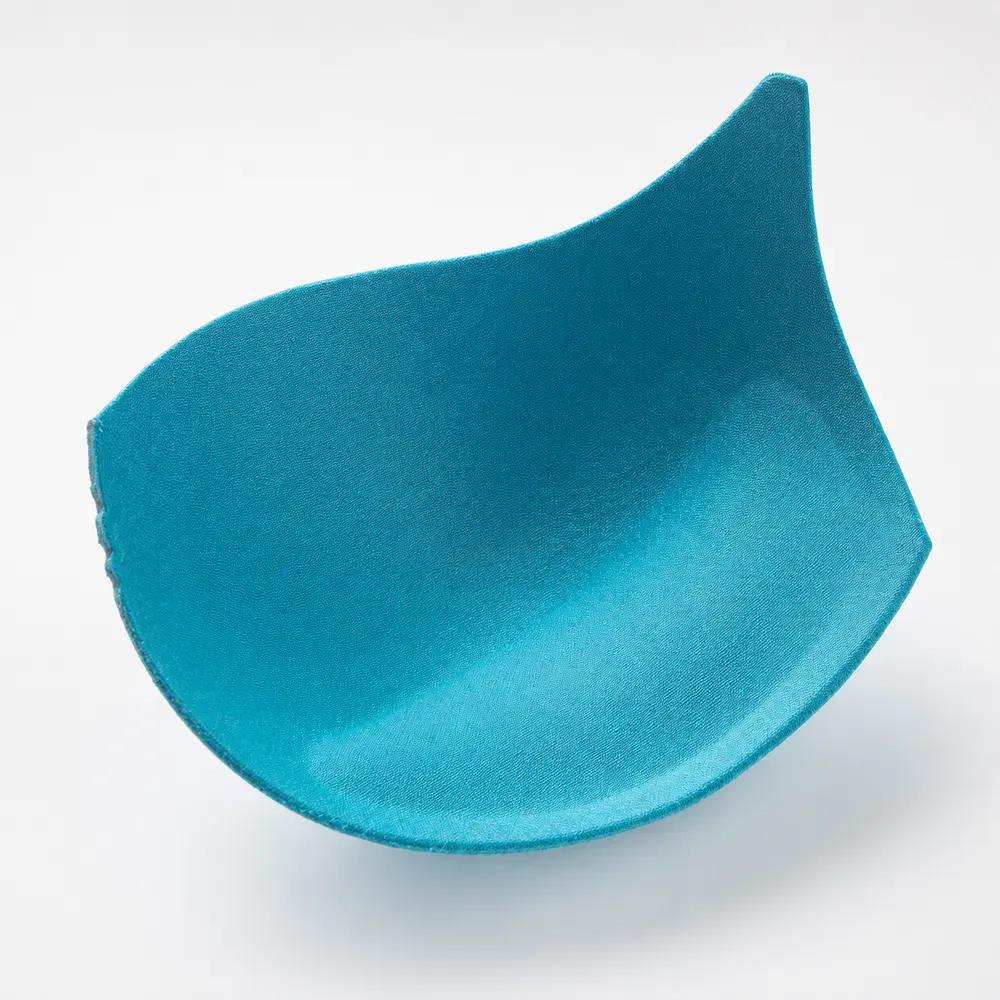
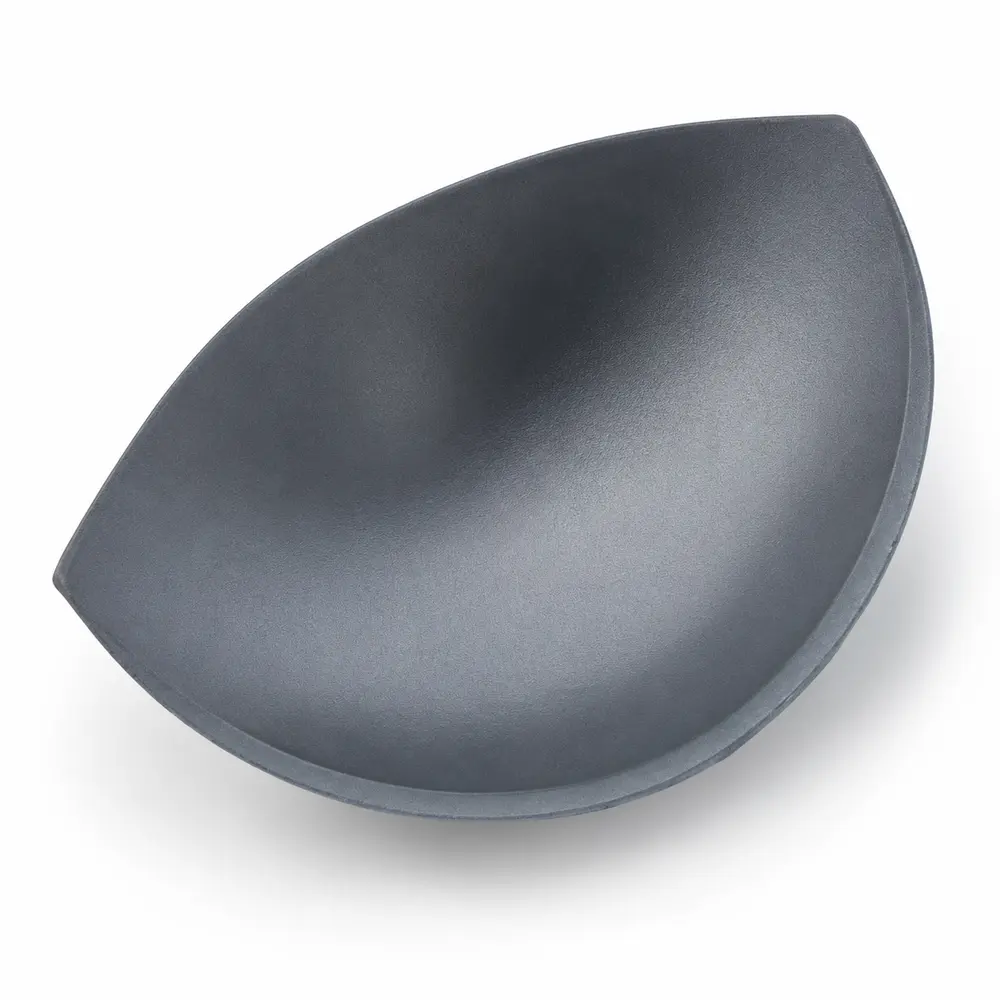
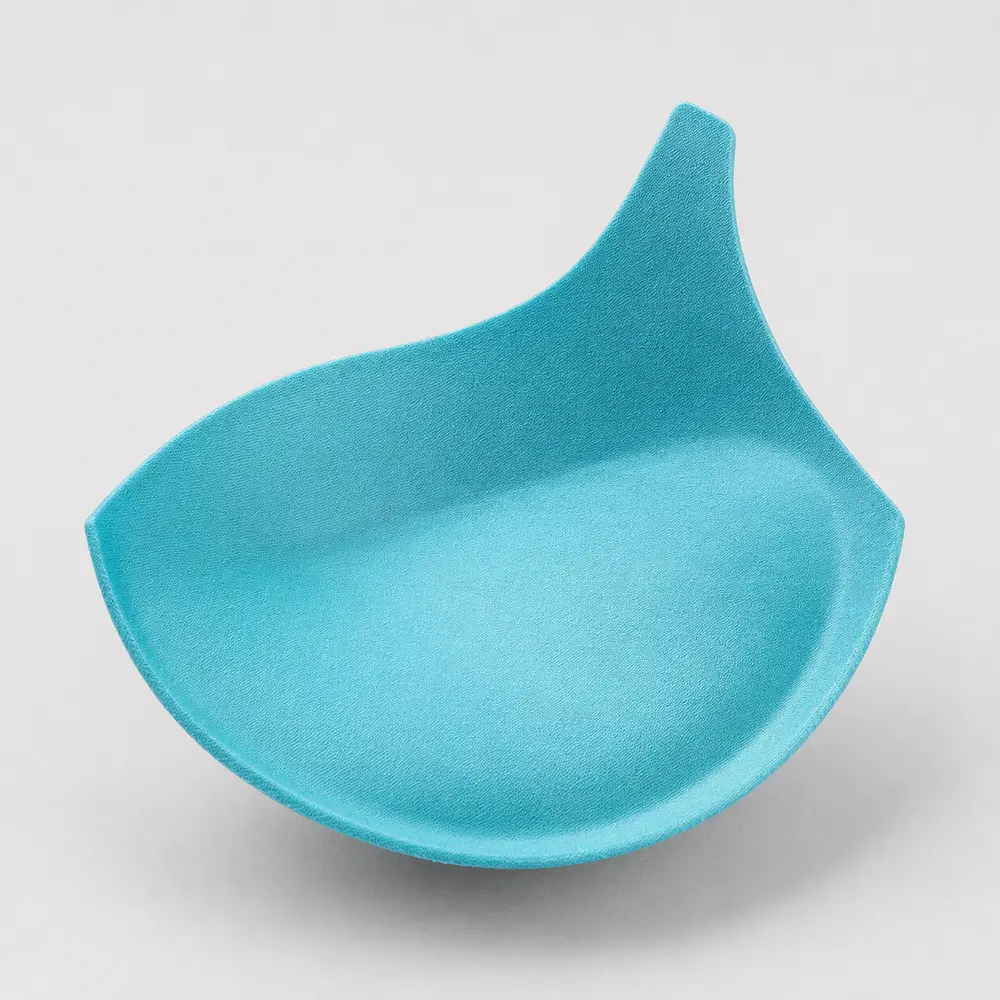
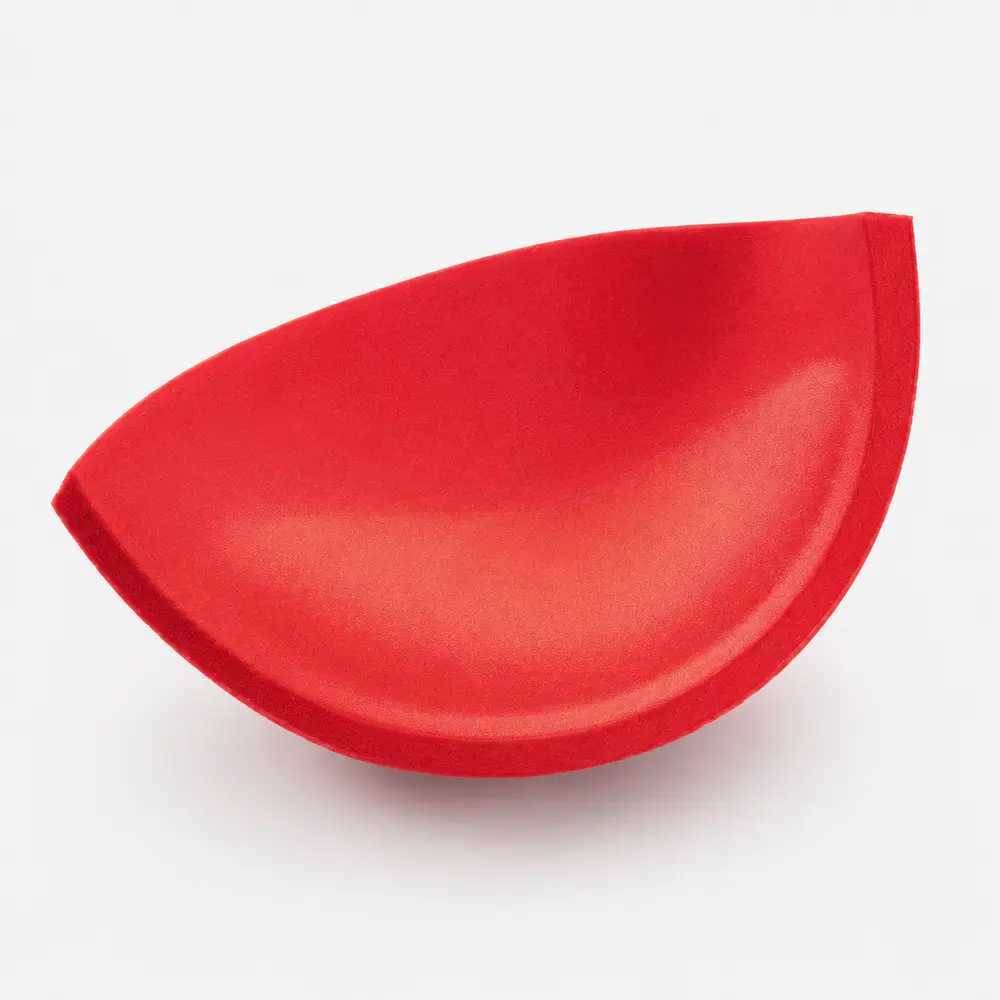
Jumbo padded cup for products requiring a voluminous bust shape.
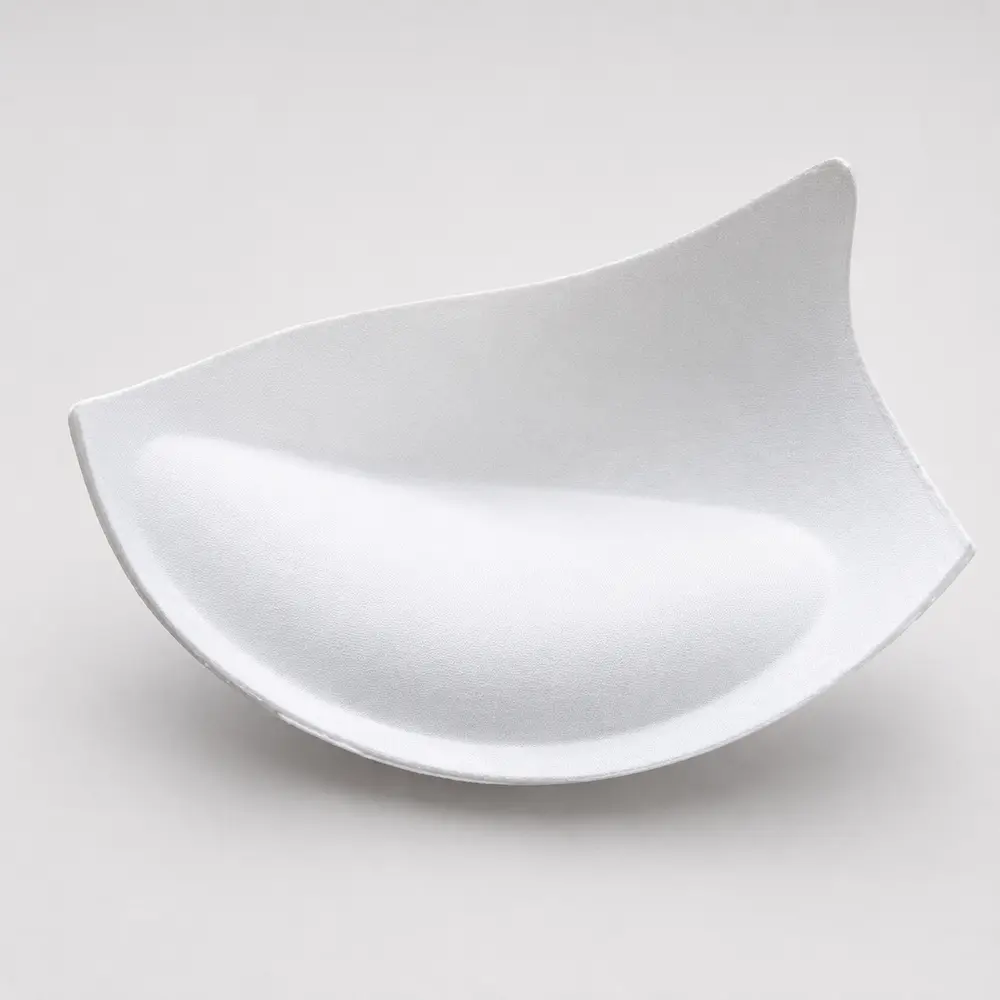
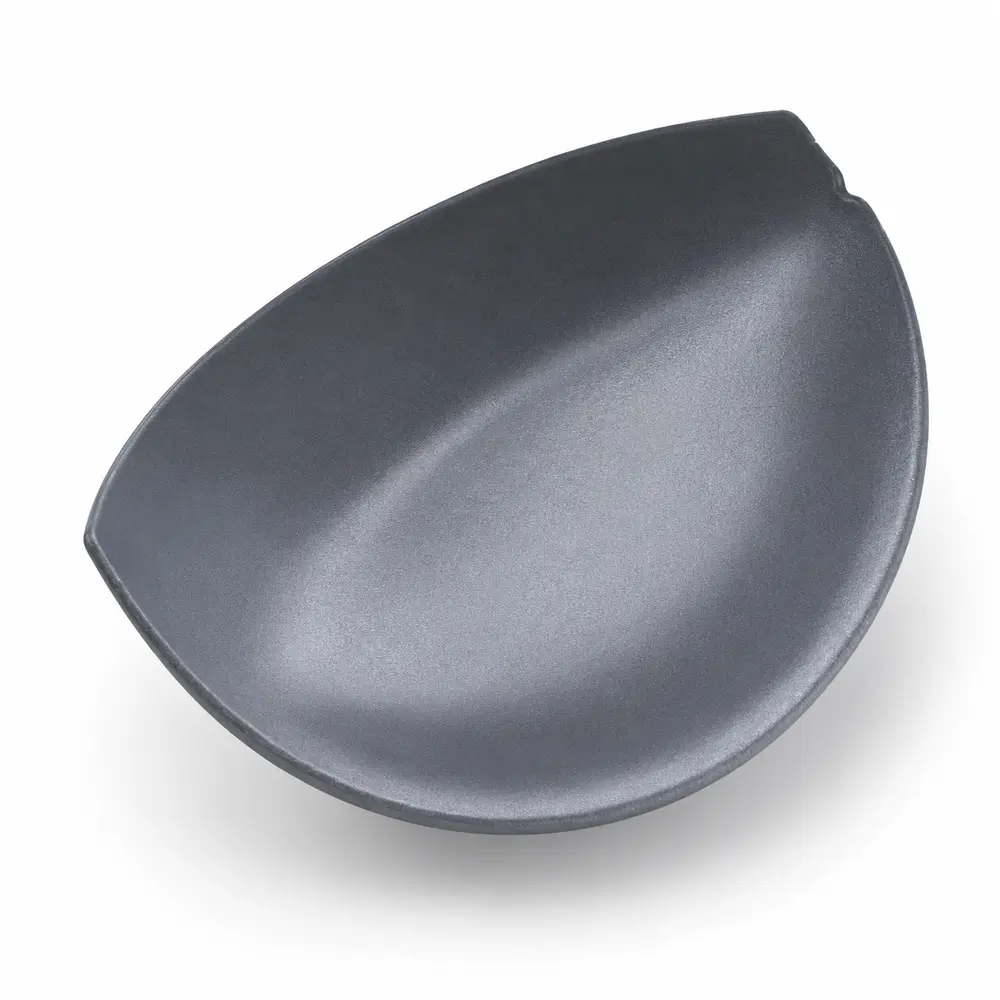
Padded cup used to provide support in swimsuit and bikini production.
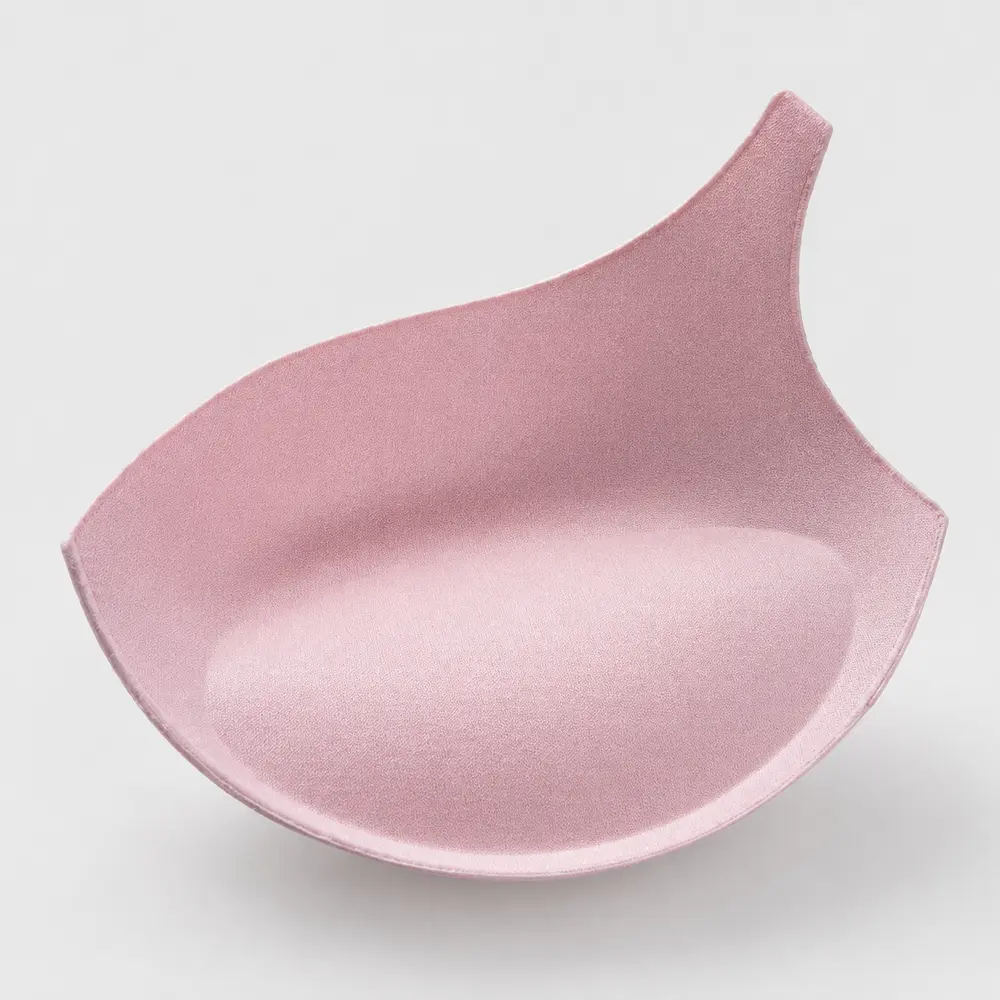
Padded cup that creates a firmer surface in bras and lingerie products.
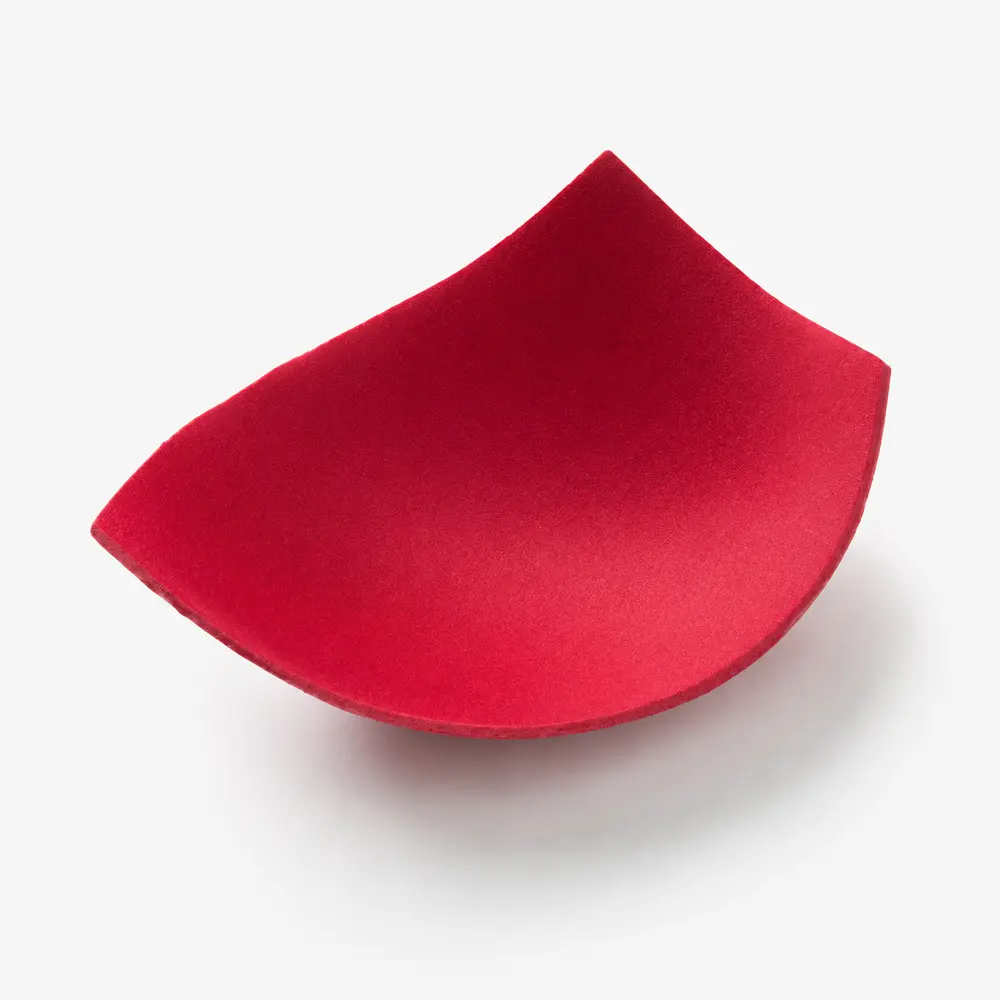
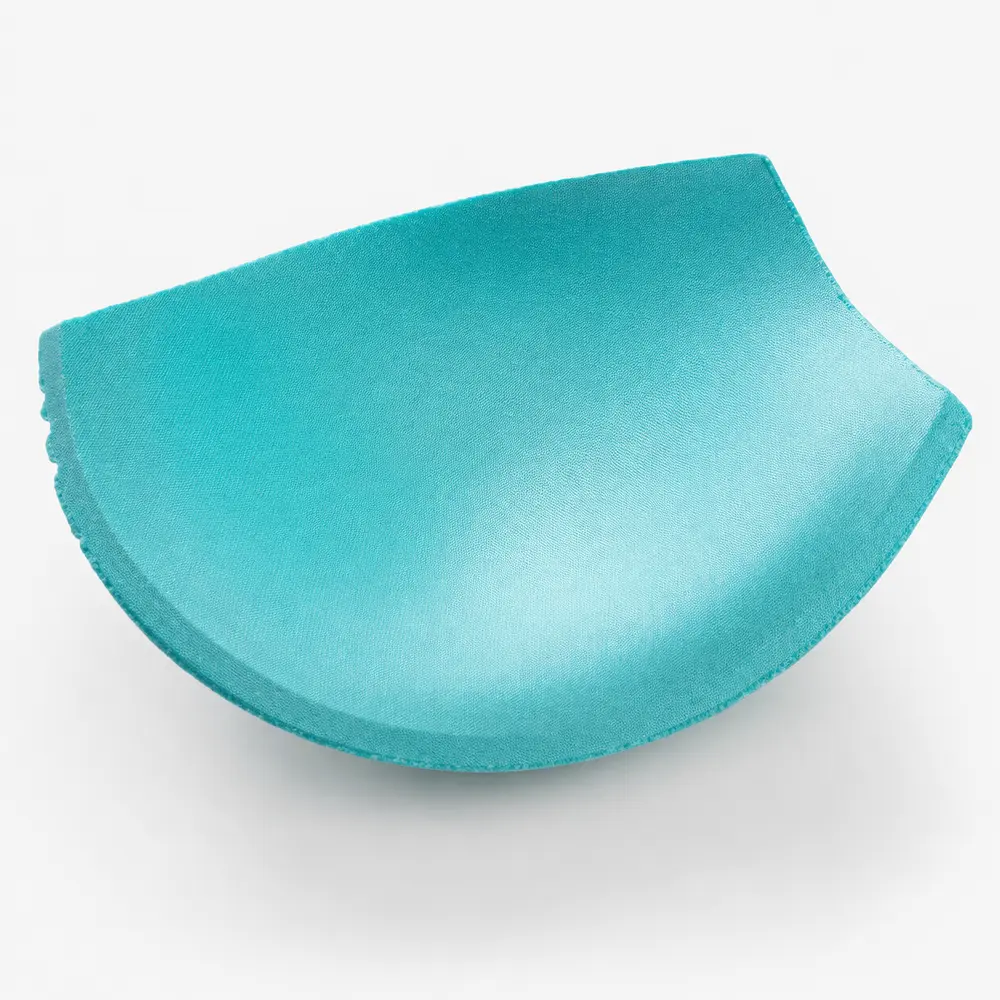
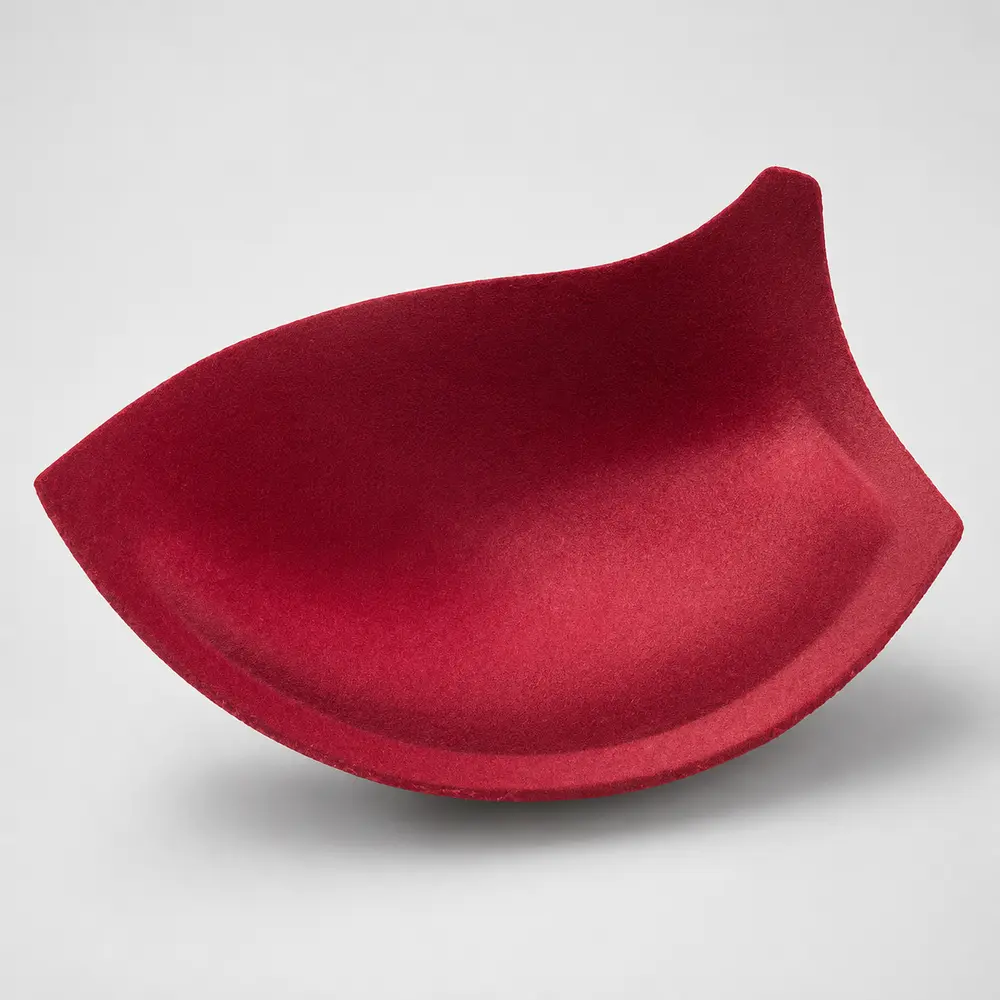
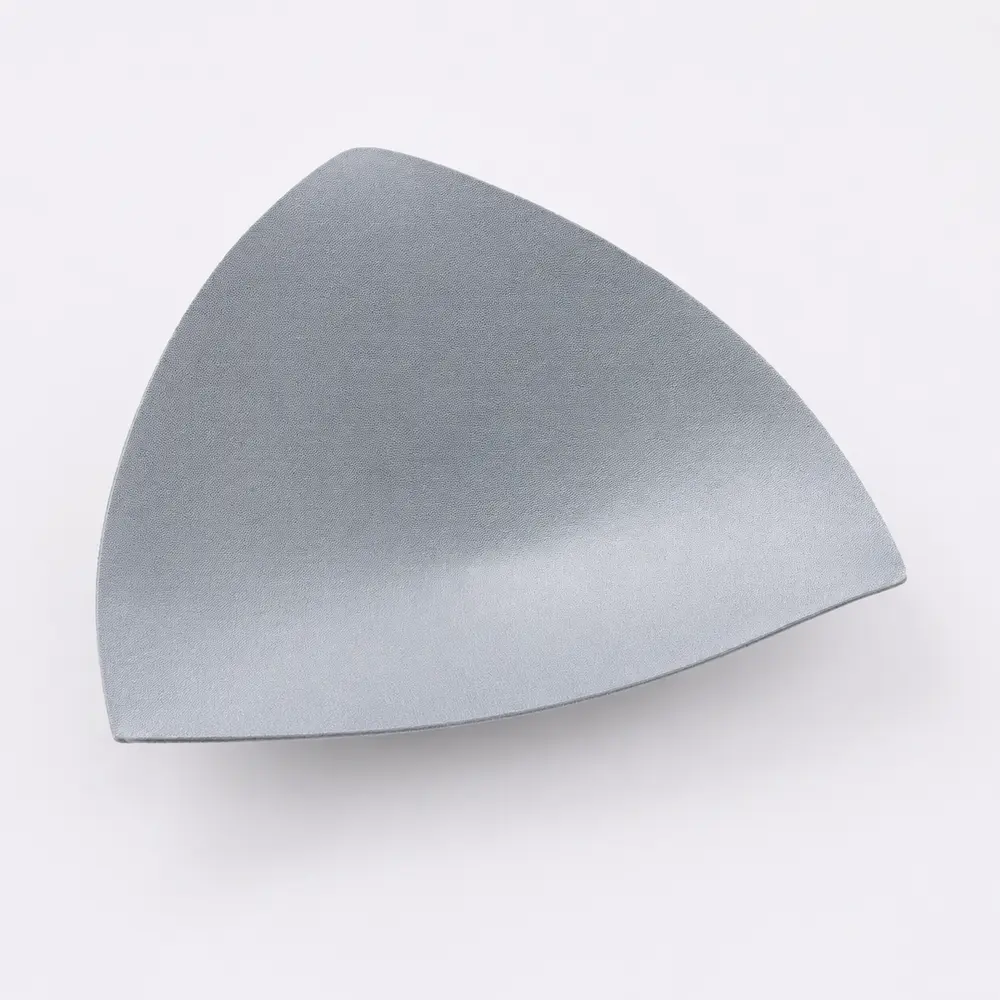
Unpadded cup for lingerie molds in the UCN form.
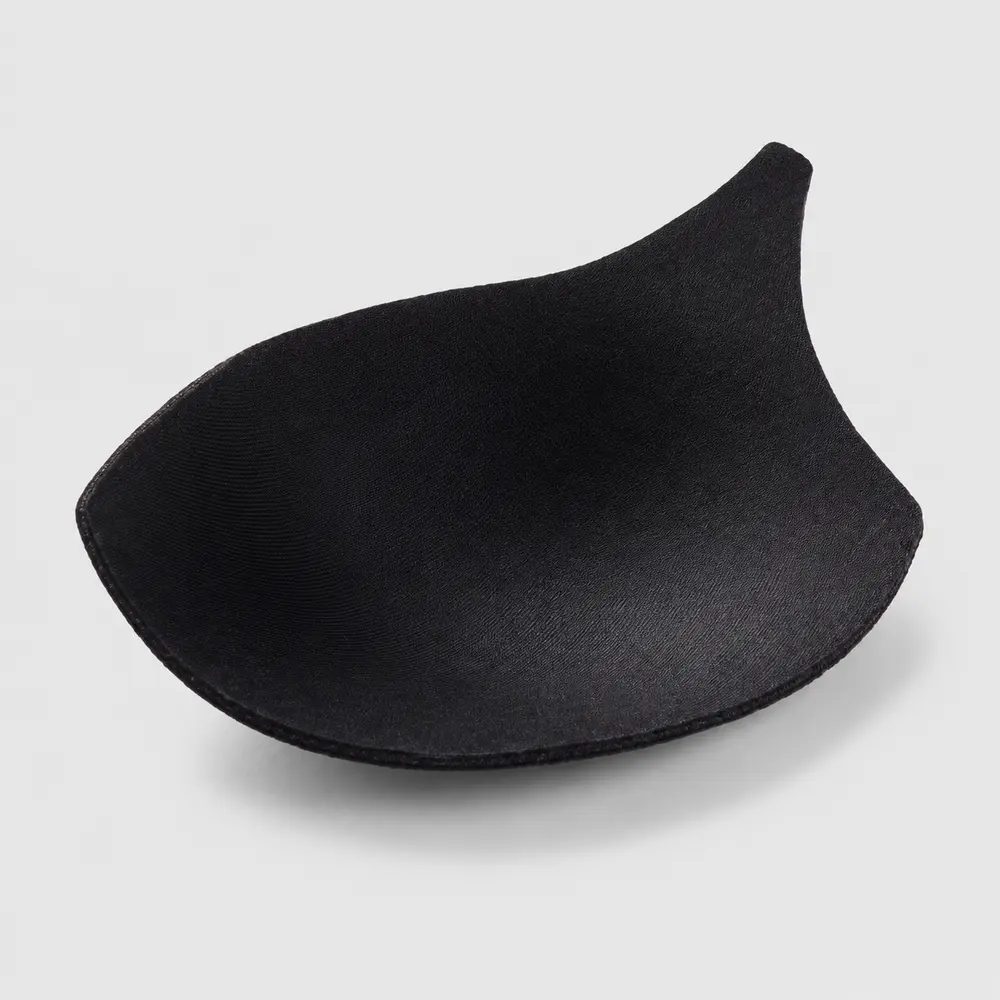
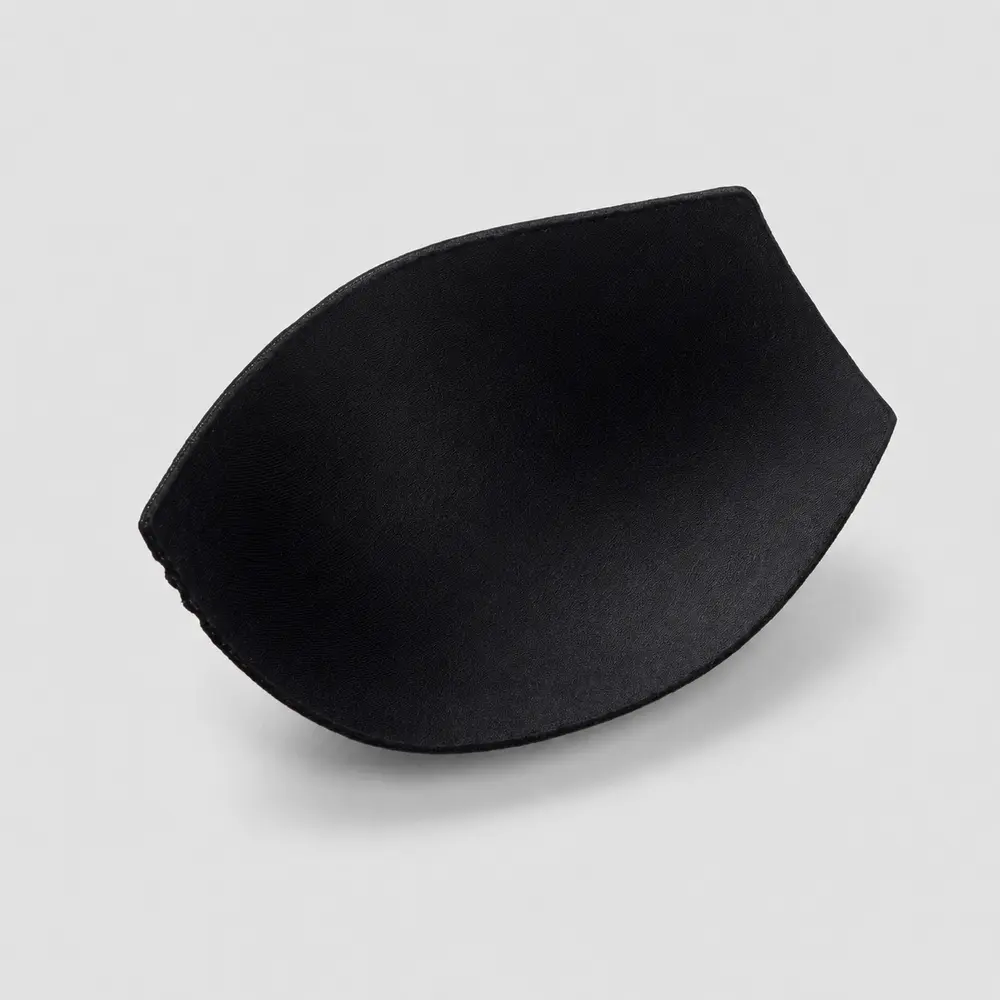
Second unpadded form intended for extended-size lingerie production.
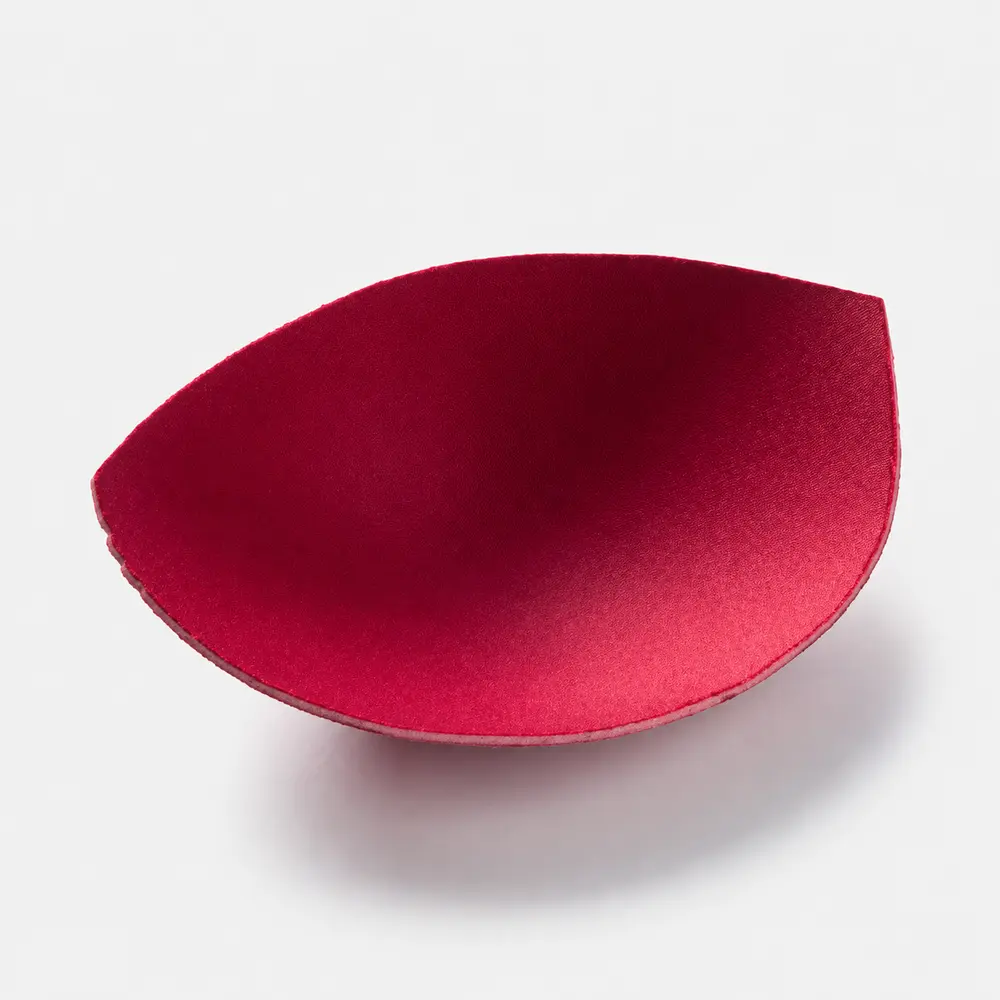
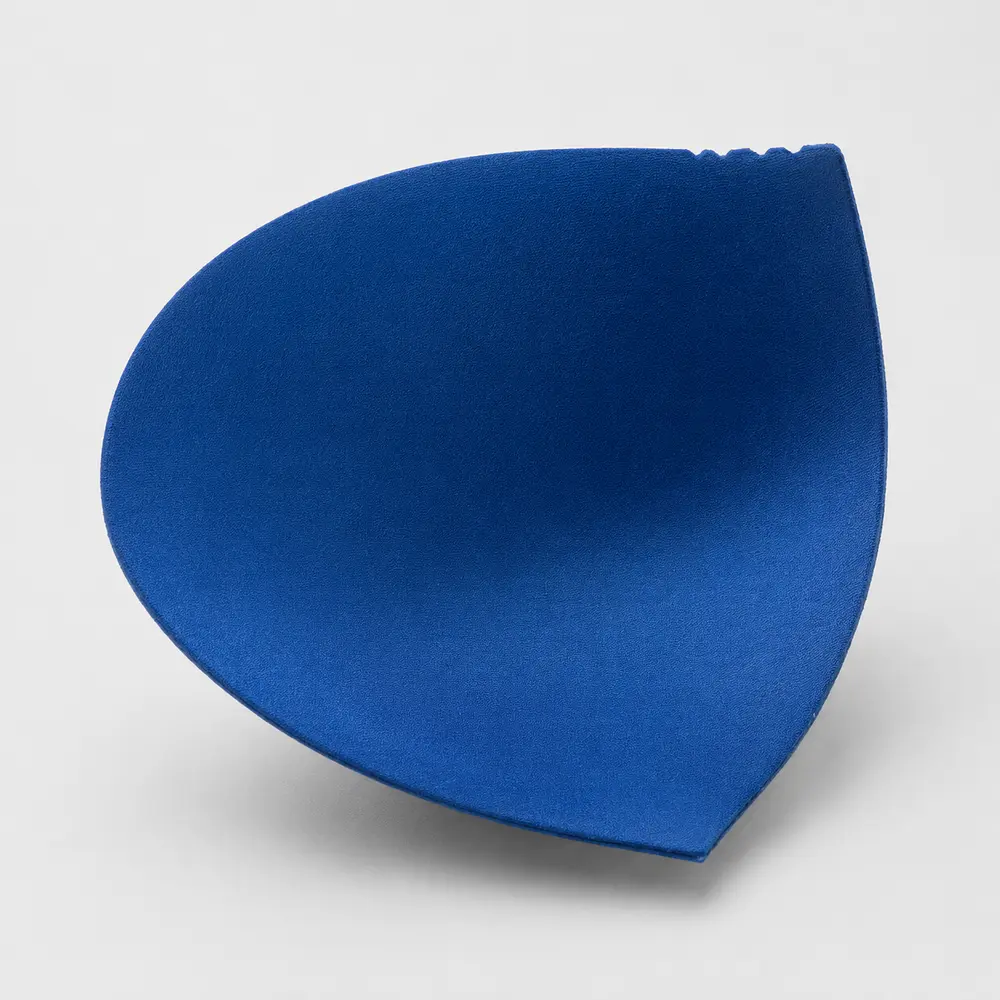
Padded cup for models planned for production across different size ranges.
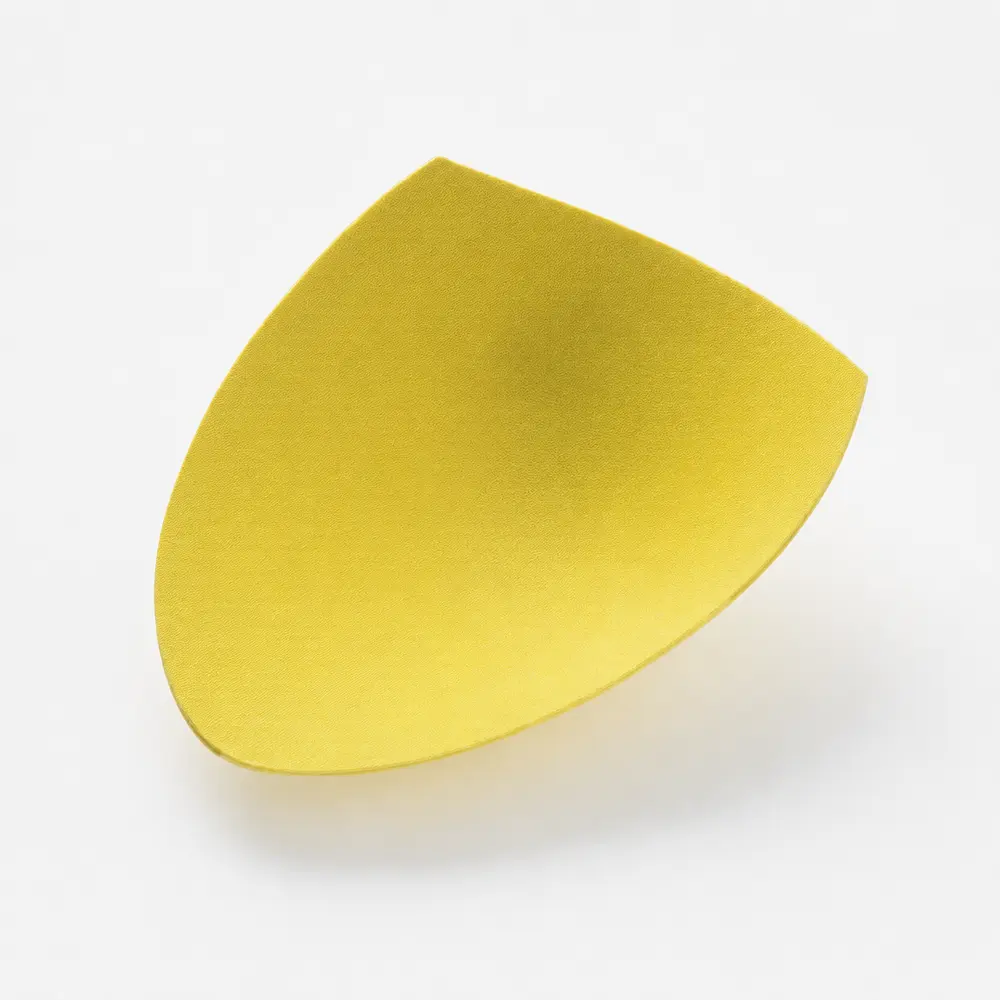
DALTEKS
An unpadded cup supports the shape without creating pronounced extra volume. A padded cup provides additional volume and support according to the intended style.
Bra cups are used in bras, bralettes, bustiers, swimwear, bikinis, eveningwear and other garments that require bust shaping or support.
Glop cup, bra cup and cup are often trade terms for the same moulded bust component. Construction and padding level still vary by product code.
The size series varies by model. Each product page lists the verified size range in its technical specifications.
Yes. Options include the DAL-JAA-2A model in sizes 110–140. Suitability is confirmed against the garment pattern and physical sample.
Yes. Bra cups in different shapes and sizes are made for lingerie, swimwear, bikinis, bustiers, eveningwear and similar garments.
Yes. Orders are assessed by model, size, padding construction and quantity.
They are sold and priced in pairs. A pair contains two cups, one for each side.
Padded cups can be produced for suitable models. The padding depends on the model and intended use.
Yes. Unpadded models are available for different applications.
It is a cup with side extensions that help it fit the garment or bra pattern.
A push-up cup is shaped to provide more padding and support in selected areas of the bust.
Yes. Triangular cups can be made for swimwear, bikinis, bralettes and similar garments.
Yes. Available U-shaped models can be assessed against the garment pattern.
Yes. Suitable cup models can be made for strapless bras, bustiers and eveningwear.
Yes. Cup models suitable for swimwear and bikini patterns can be considered.
Yes. A suitable moulded cup can be used in a bustier if its shape matches the garment pattern.
Yes. Suitable models can be sewn into evening dresses.
Yes. Cups in suitable shapes and sizes can support corsets and structured tops.
Compare the cup with the garment pattern, size, fabric and intended bust shape.
Yes. Triangular, U-shaped, strapless and other forms can be assessed separately for each style.
If the model allows it, thinner and softer material options can be assessed.
Yes. Less rounded alternatives with a closer fit can be considered.
Some models can be developed with padding. This can change the softness and shape of the cup.
Softer padded options can be considered for suitable models.
Yes. Where available, similar shapes with different firmness, thickness or foam construction can be compared.
Firmness, thickness or covering can be changed on some models. The mould may impose technical limits.
The sample can be examined to find the closest existing foam, firmness, thickness and shape.
Yes. Thinner, softer, flatter or differently shaped alternatives can be assessed.